10 Small Restaurant Bars ideas

Designing a small restaurant bar requires a blend of creativity, practicality, and atmosphere. A well-designed bar serves not only as a functional service area but also as a focal point that enhances the overall dining experience. In compact spaces, every inch counts, so thoughtful planning of materials, layout, and lighting is essential. Below are ten detailed ideas to elevate small restaurant bars, each explained in detail with preparation steps, material recommendations, and practical insights.
1. Maximize Vertical Space for Storage and Display
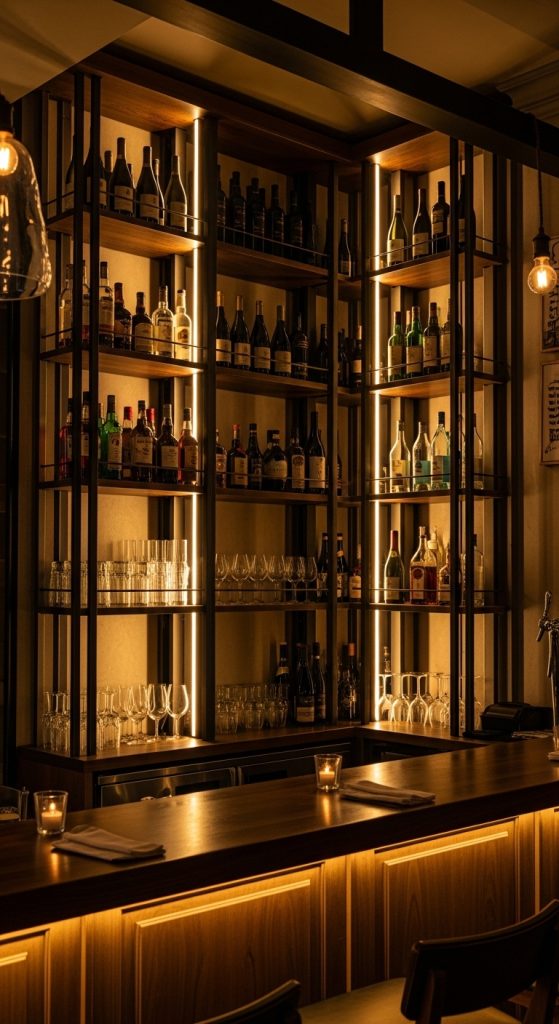
In a small restaurant bar, using vertical space efficiently is key to maintaining both style and function. Installing tall shelving, overhead racks, and wall-mounted units allows bartenders to keep essential items within reach while showcasing bottles, glassware, or decor.
Preparation and Materials:
Start by measuring wall height and available depth. Choose sturdy materials like metal, reclaimed wood, or tempered glass for shelves that can withstand weight. Floating shelves or custom-built units with integrated lighting can enhance visual appeal. Secure all shelving to wall studs for stability. Arrange bottles and accessories by color or type for an organized look.
Maximizing vertical space not only increases storage but also adds height to the room, creating an illusion of spaciousness. It ensures the bar remains clutter-free while presenting an inviting and professional display for guests.
2. Install a Compact Yet Functional Bar Counter
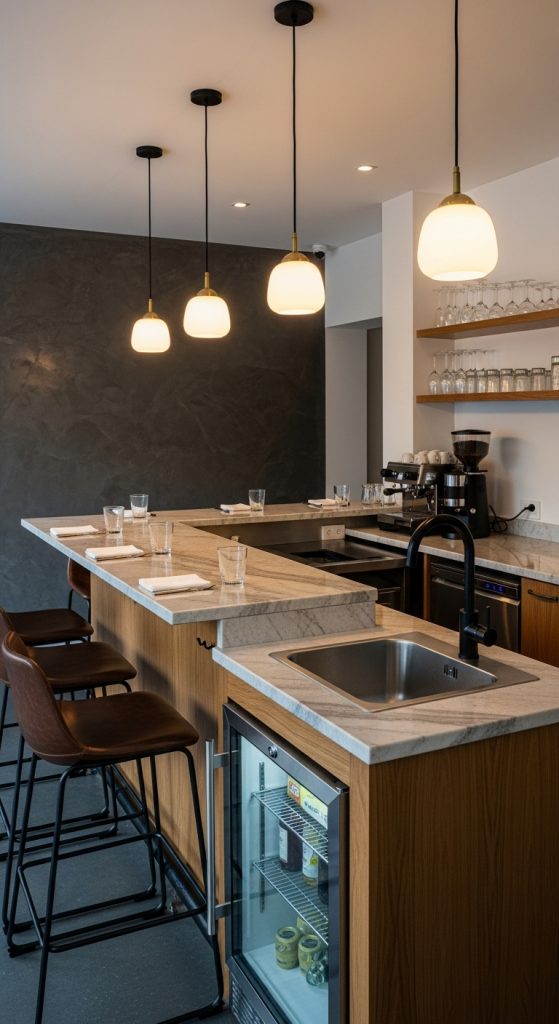
A small restaurant bar benefits from a compact yet well-organized counter. The bar top should be functional for service while providing a welcoming space for guests to enjoy drinks or casual dining.
Preparation and Materials:
Select durable materials like granite, quartz, or polished wood for the countertop. These are easy to clean and maintain. Plan the layout to include a bartender workspace, a small sink, and glass storage. For added efficiency, incorporate a mini fridge or under-counter ice maker.
Use clean lines and minimal ornamentation to maintain a sleek appearance. Consider adding subtle accent lighting beneath the counter to highlight its design. A well-constructed compact counter supports both efficiency and style, ensuring the bar remains a central feature without overpowering the space.
3. Use Smart Lighting to Set the Mood
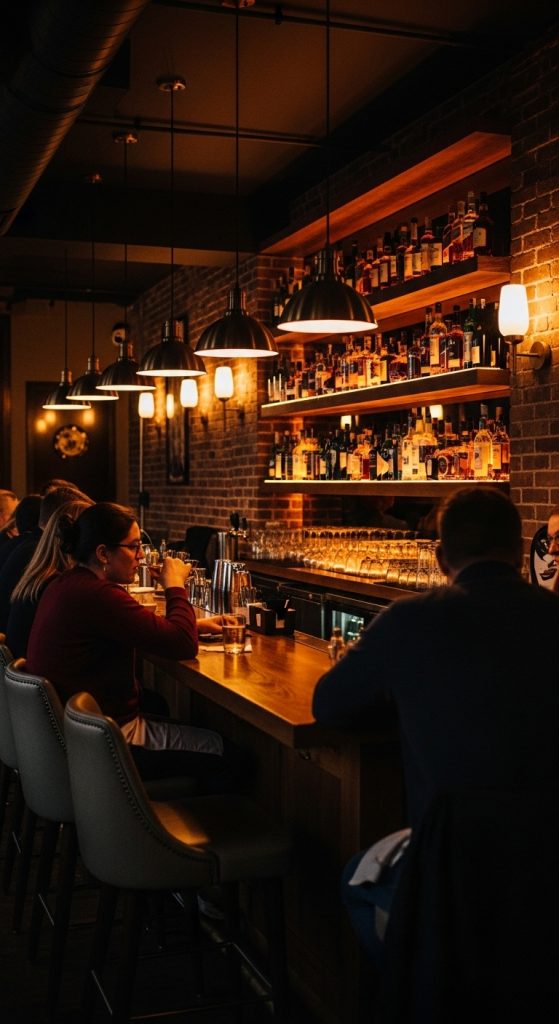
Lighting plays a critical role in defining a bar’s atmosphere. In small restaurant bars, balanced lighting enhances both functionality and ambiance. A combination of task, ambient, and accent lighting creates depth and character.
Preparation and Materials:
Start with warm-toned LED fixtures for energy efficiency and comfort. Install pendant lights above the bar for a focal point, and integrate under-shelf or under-counter lighting for added dimension. Use dimmers to adjust brightness according to time of day or desired mood.
Consider light fixtures with metallic or glass finishes to reflect light and enhance the illusion of space. Proper lighting can transform a small bar from ordinary to inviting, encouraging guests to linger and enjoy their experience.
4. Incorporate Reflective Surfaces for a Spacious Look
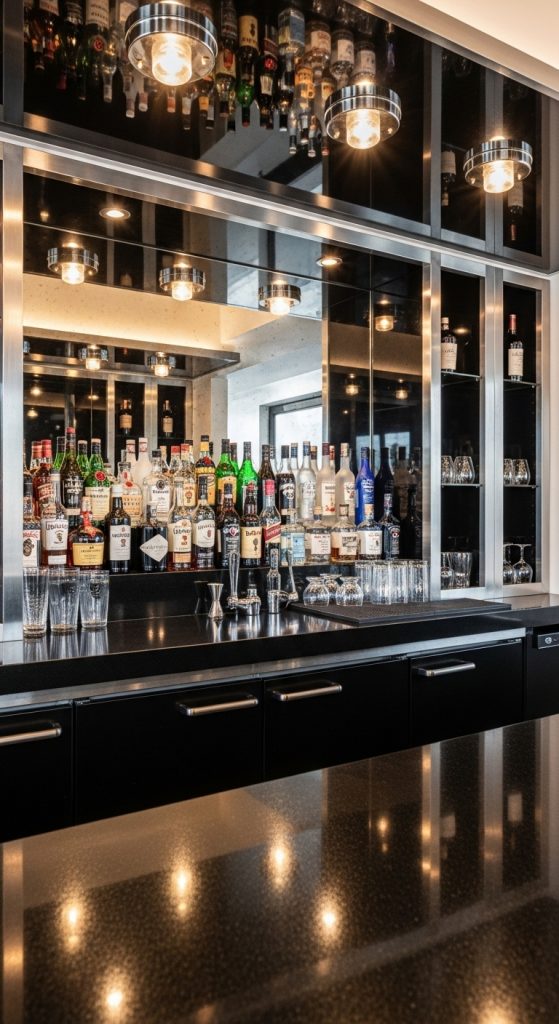
Mirrors and glossy finishes can visually expand a small restaurant bar, making it appear larger and brighter. Reflective surfaces amplify light and depth, creating an atmosphere of sophistication without requiring more space.
Preparation and Materials:
Install a large mirror behind the bar or use mirrored tiles for a modern touch. Glossy countertops or metallic accents can further enhance the reflective effect. Choose materials like stainless steel, glass, or polished stone for durability.
Keep the balance by combining reflective elements with matte finishes to avoid excessive glare. This design approach makes even the smallest bar feel open and lively while maintaining a clean, contemporary appearance.
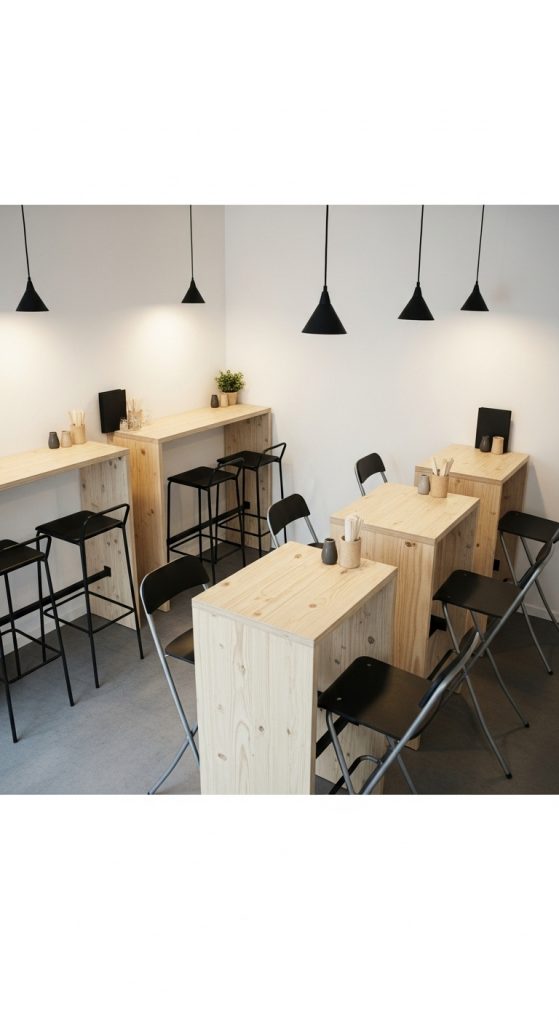
5. Choose Space-Saving Bar Furniture
Furniture selection significantly influences how spacious a small restaurant bar feels. Choosing compact, stackable, or foldable furniture maximizes seating capacity without overcrowding the area.
Preparation and Materials:
Opt for bar stools with slim legs and footrests for comfort and elegance. High tables or narrow counters provide social spaces without taking up too much floor area. Use lightweight materials such as metal, acrylic, or bentwood for easy rearrangement.
When selecting furniture finishes, coordinate them with the overall interior design to maintain visual harmony. Space-saving furniture allows for flexibility during peak hours and ensures efficient use of every square foot, enhancing both functionality and comfort.
6. Incorporate Natural Elements for Warmth
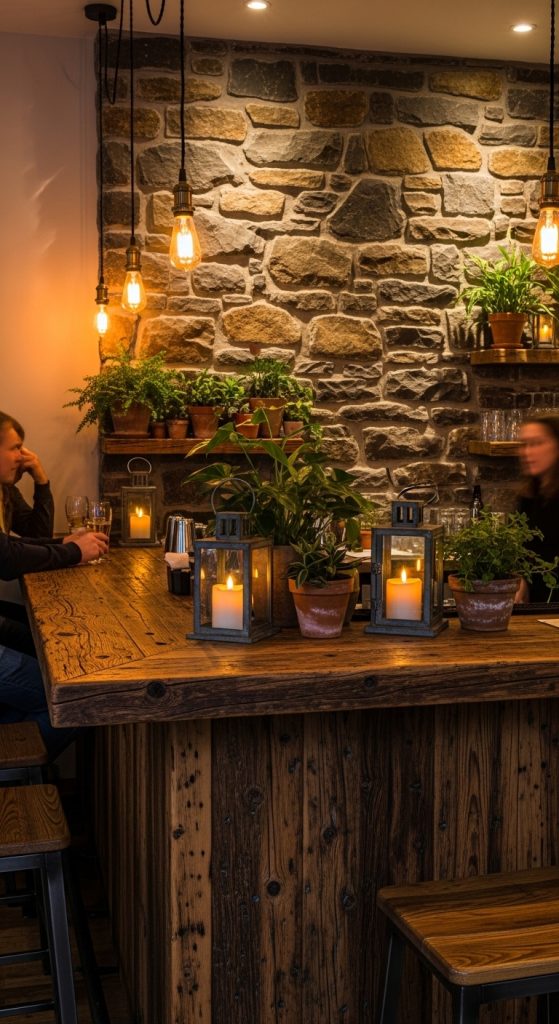
Adding natural materials brings warmth and authenticity to a small restaurant bar. Wood, stone, and greenery introduce texture and balance, preventing the space from feeling too commercial or confined.
Preparation and Materials:
Use reclaimed wood for counters, shelving, or wall panels to add character. Incorporate potted plants, vertical gardens, or hanging greenery to soften hard edges. Stone countertops or natural wood tabletops create a rustic charm while maintaining durability.
Combine these elements with neutral color palettes to maintain harmony. Natural materials foster a relaxed and inviting environment that resonates with guests and complements a variety of restaurant styles, from modern to traditional.
7. Create a Distinct Theme or Identity
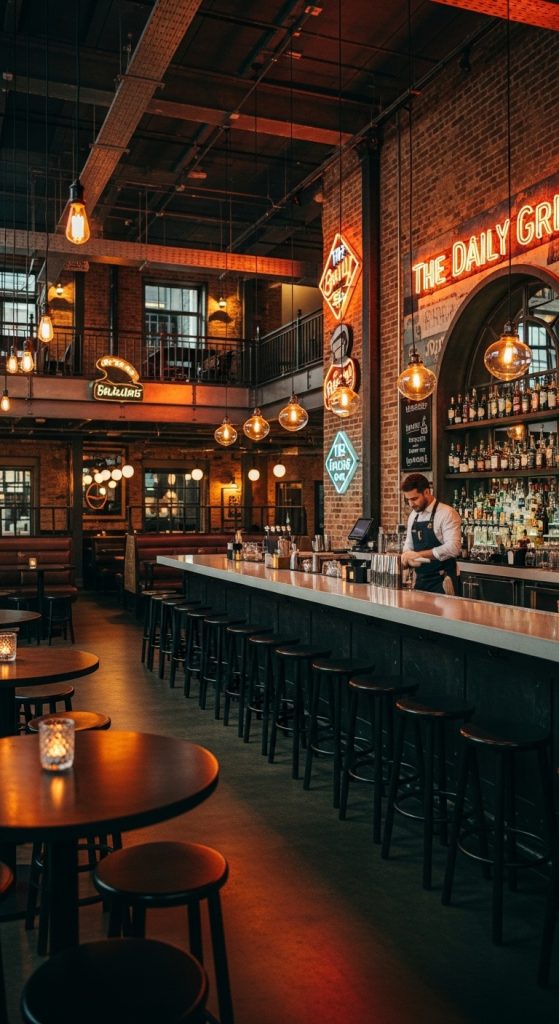
A small bar can stand out by embracing a clear and memorable theme. Whether it is industrial, tropical, vintage, or minimalist, a cohesive design concept enhances branding and customer experience.
Preparation and Materials:
Decide on a theme that aligns with your restaurant’s cuisine and clientele. Choose decor elements, lighting, and color schemes that reinforce this identity. For example, an industrial bar might use exposed brick, black metal, and Edison bulbs, while a coastal theme might feature light woods, rope details, and soft blues.
Consistency is key. Use signage, uniforms, and menus that match the bar’s design language. A well-defined theme transforms a small bar into a recognizable brand feature that leaves a lasting impression on customers.
8. Utilize an Open-Shelf Bar Display
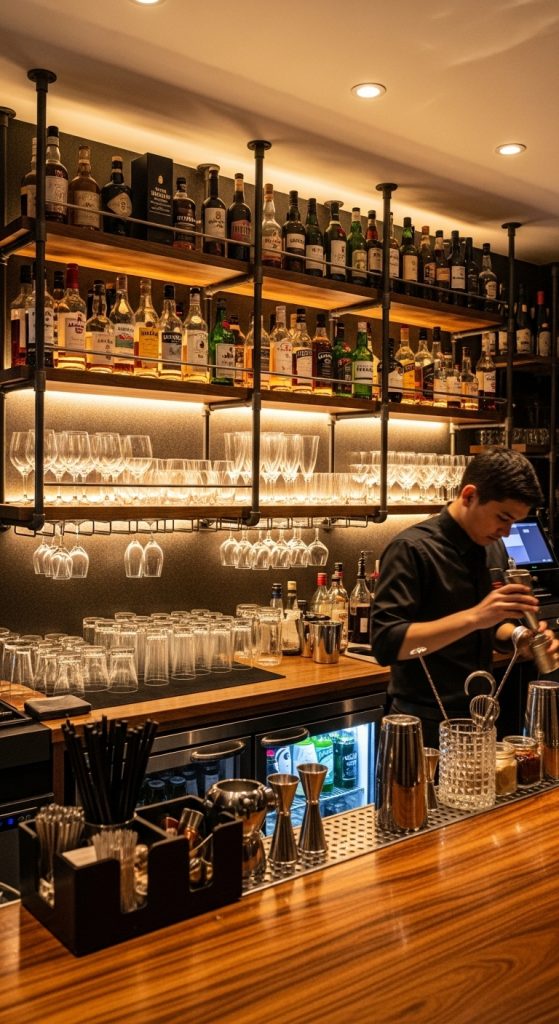
Open shelving creates transparency and accessibility, both visually and functionally. It allows bartenders to work efficiently while showcasing beverages attractively to guests.
Preparation and Materials:
Install sturdy open shelves using metal brackets or a built-in frame system. Use tempered glass or wood shelves to support bottles and glassware. Arrange items by height or color for a visually appealing layout.
Add LED strip lighting under each shelf to highlight the display. Keep the design symmetrical and clutter-free for a polished presentation. Open shelving not only enhances aesthetics but also improves workflow, making the bar more inviting and professional.
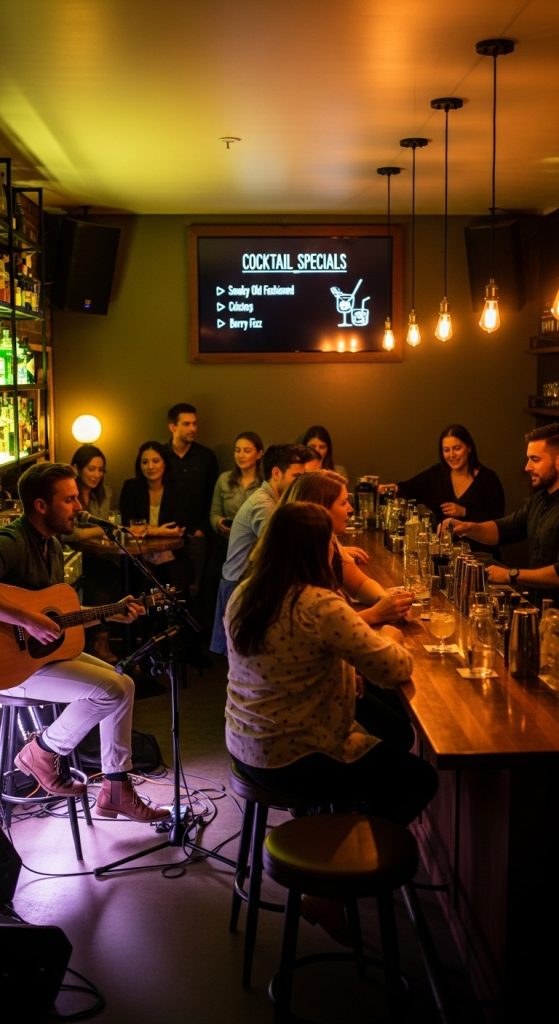
9. Add Compact Entertainment or Experience Elements
Even in small spaces, incorporating an element of entertainment can elevate the bar experience. This could include live acoustic music, digital menu screens, or interactive cocktail preparation stations.
Preparation and Materials:
Plan the layout to accommodate small speakers, a wall-mounted screen, or a portable performance area. Choose compact, wireless sound systems for flexibility. Use digital tablets for displaying menus or promotions.
Ensure entertainment elements are subtle and do not overpower the space. This integration adds value for customers, making the bar more engaging and encouraging repeat visits while maintaining a comfortable atmosphere.
10. Use Color Strategically to Define Character
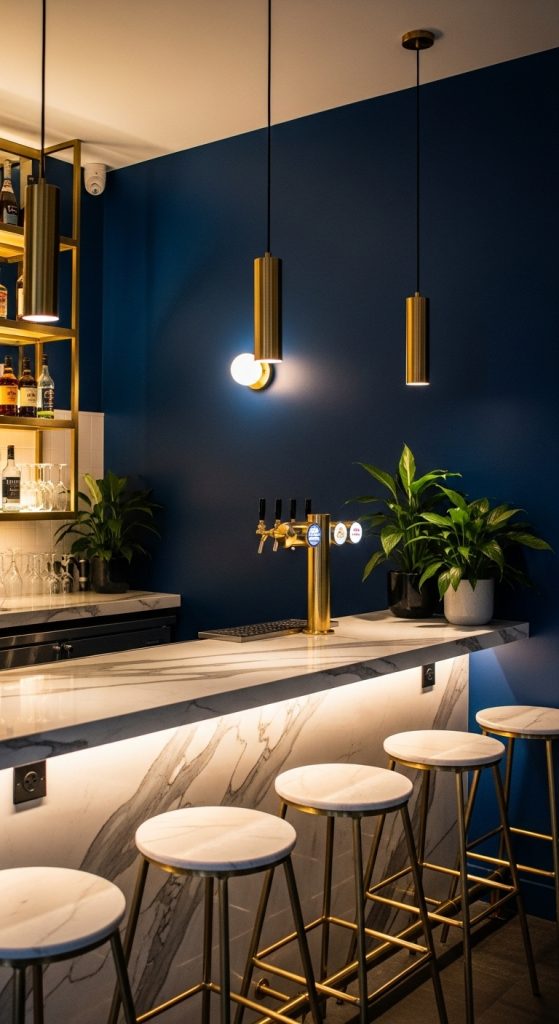
Color plays a vital role in creating personality and mood. In small bars, color can either visually expand the space or add intimacy, depending on the desired ambiance.
Preparation and Materials:
Use light, neutral colors to make the bar feel open, or deeper tones like navy, emerald, or charcoal for a cozy effect. Apply accent colors on one feature wall, furniture, or bar trim to add vibrancy.
Select durable, washable paints suitable for high-traffic areas. Pair your chosen palette with coordinated lighting and decor for balance. Thoughtful color use can make even the smallest bar feel refined and inviting while reinforcing brand identity.
About Me

Chesung Subba
Author/Writer
Hello, I'm Chesung Subba, a passionate writer who loves sharing ideas, stories, and experiences to inspire, inform, and connect with readers through meaningful content.
Follow Me
Connect with me and be part of my social media community.
Leave a Reply