10 Arranging Flowers Outdoors ideas

Arranging flowers outdoors is an art that combines creativity, nature, and design. Whether you are decorating for a garden party, wedding, patio gathering, or simply adding seasonal beauty to your backyard, floral arrangements can completely transform outdoor spaces. Working with natural elements allows you to blend colors, textures, and scents that complement the landscape. Outdoor flower arrangements should be both aesthetic and durable to withstand sunlight, wind, and temperature changes. With a little planning and creativity, you can design breathtaking displays that suit any event or space. Below are ten detailed ideas for arranging flowers outdoors, including preparation tips, materials, and style techniques to help you create stunning floral environments.
1. Create a Garden Table Centerpiece
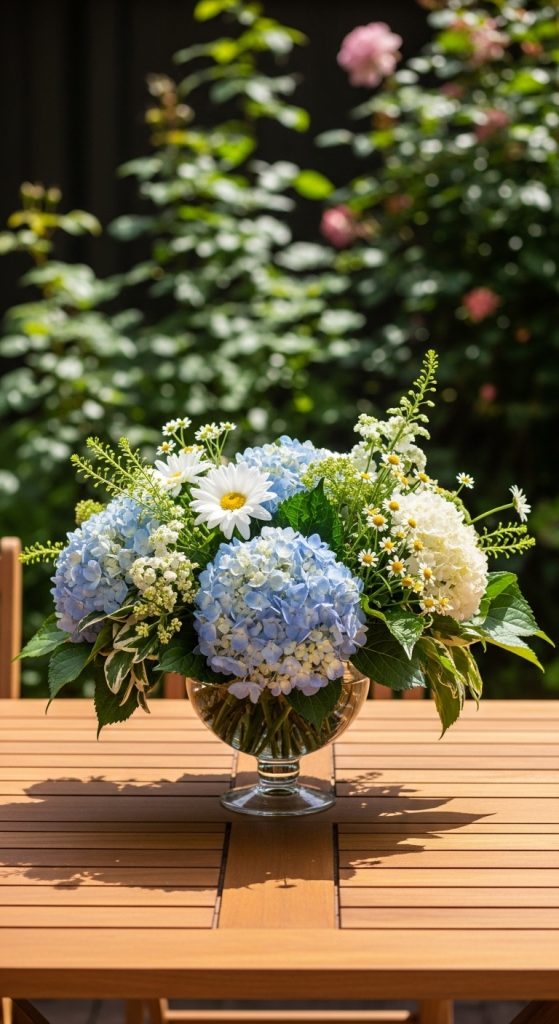
A floral centerpiece outdoors instantly enhances any dining or lounging area. Preparation materials include a waterproof vase or floral foam, scissors, a mix of seasonal flowers, and foliage. Begin by selecting flowers that can handle outdoor conditions such as hydrangeas, sunflowers, or gerbera daisies. Add greenery like ferns or eucalyptus for texture. If you use floral foam, soak it in water for at least 15 minutes before inserting stems. Arrange the tallest blooms in the center, followed by medium-height flowers and filler greens around the edges. For stability, choose a weighted container or one with a wide base to prevent tipping in wind. Add pebbles at the bottom for extra balance. Keep arrangements out of direct sunlight until the event begins. This simple yet elegant centerpiece brings color and vibrancy to any outdoor table setting while maintaining freshness throughout the day.
2. Hang Flower Baskets on Fences or Railings
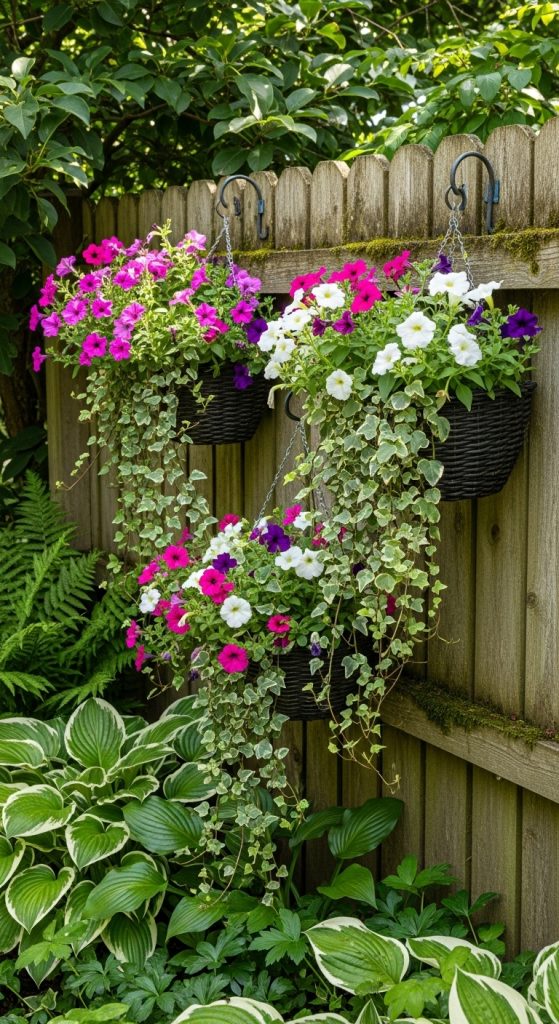
Hanging flower baskets are an effective way to bring vertical interest to your outdoor spaces. Preparation materials include hanging baskets, potting soil, coco liners, fertilizer, and durable flowers like petunias, begonias, or trailing ivy. Start by lining your basket with the coco fiber to hold the soil. Fill halfway with potting mix and arrange your plants, ensuring trailing flowers are placed near the edges for a cascading effect. Add more soil around roots and press gently to secure them. Water thoroughly before hanging. Use sturdy hooks or metal brackets to attach baskets to fences, pergolas, or balcony railings. Regular watering and occasional fertilizing will keep blooms healthy. These hanging displays add color at eye level and soften the edges of outdoor structures. The result is a lush, garden-inspired look that feels welcoming and full of life.
3. Use Rustic Containers for a Natural Look
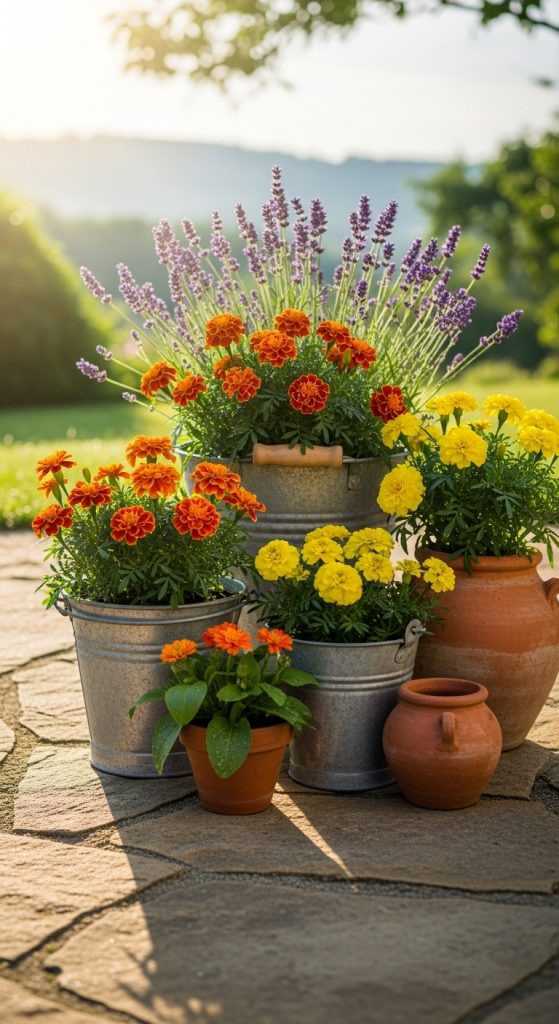
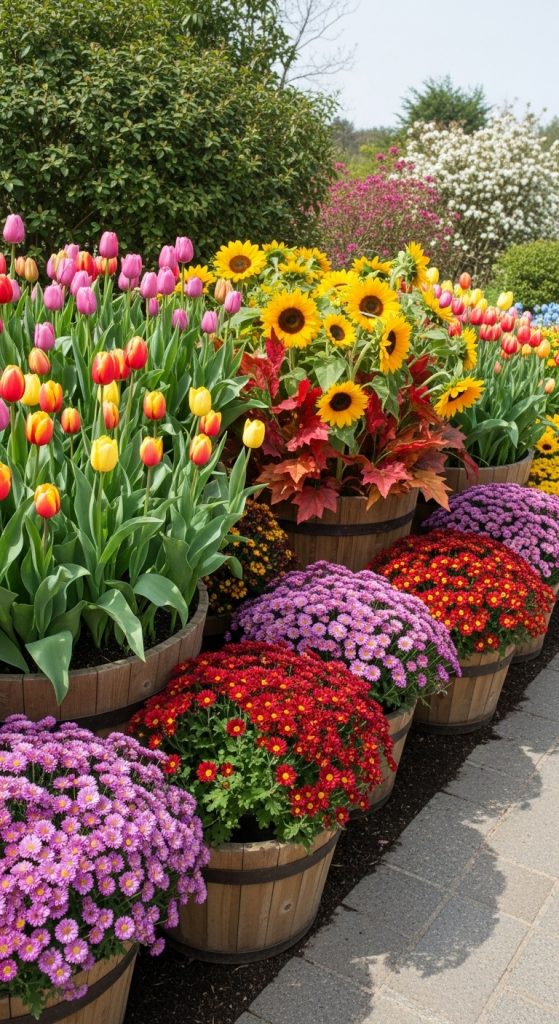
Repurposing rustic containers adds charm and character to outdoor flower arrangements. Preparation materials include vintage buckets, wooden crates, watering cans, or terracotta pots. Choose sturdy containers with drainage holes to prevent water buildup. Line the bottom with small stones or gravel to assist drainage, then add potting soil suitable for outdoor plants. Select hardy flowers like marigolds, zinnias, or lavender that thrive in outdoor conditions. Arrange taller flowers toward the back and shorter ones in front for depth. If you are using multiple containers, group them together for a cohesive display. The combination of aged metal, wood, or clay with fresh flowers creates a charming countryside feel. These arrangements work beautifully on patios, entryways, and decks. Rustic containers are not only budget-friendly but also sustainable, making them an eco-conscious choice for outdoor flower decor.
4. Arrange Flowers Along Walkways
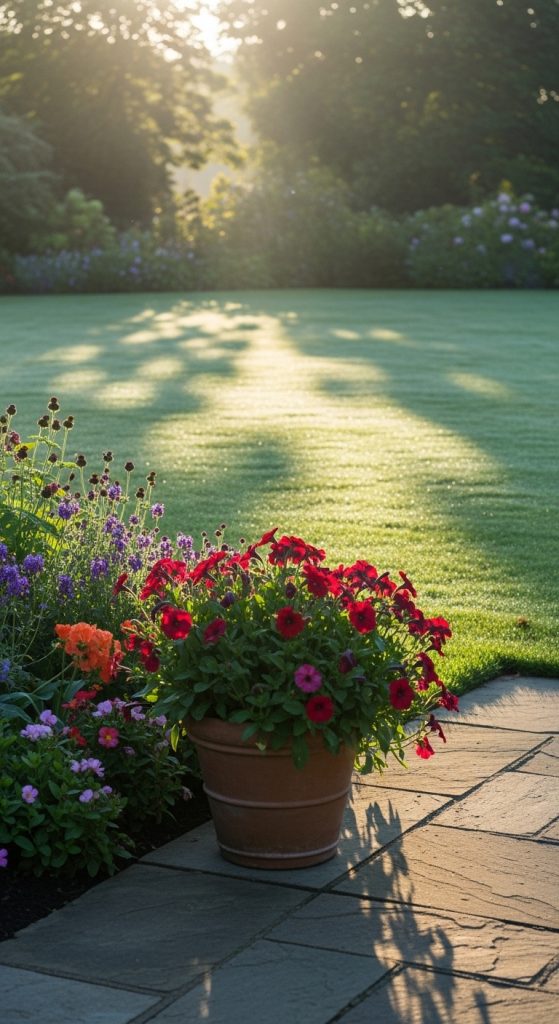
Flowers arranged along walkways can transform simple paths into enchanting garden features. Preparation materials include edging stones, flower stakes, and perennial or annual plants suited to your region. Begin by planning the layout and marking where each plant or arrangement will go. Dig shallow holes, ensuring consistent spacing between blooms for balance. Choose a combination of low-growing flowers like pansies, alyssum, or dianthus to avoid obstructing the walkway. Mix in taller accents such as lavender or ornamental grasses at intervals for dimension. Add mulch around the base to retain moisture and prevent weeds. You can also place small pots or vases along the path for a more temporary and flexible design. Walkway arrangements guide guests naturally through your garden while adding fragrance and color that enhances the entire outdoor experience.
5. Design Floating Flower Bowls for Water Features
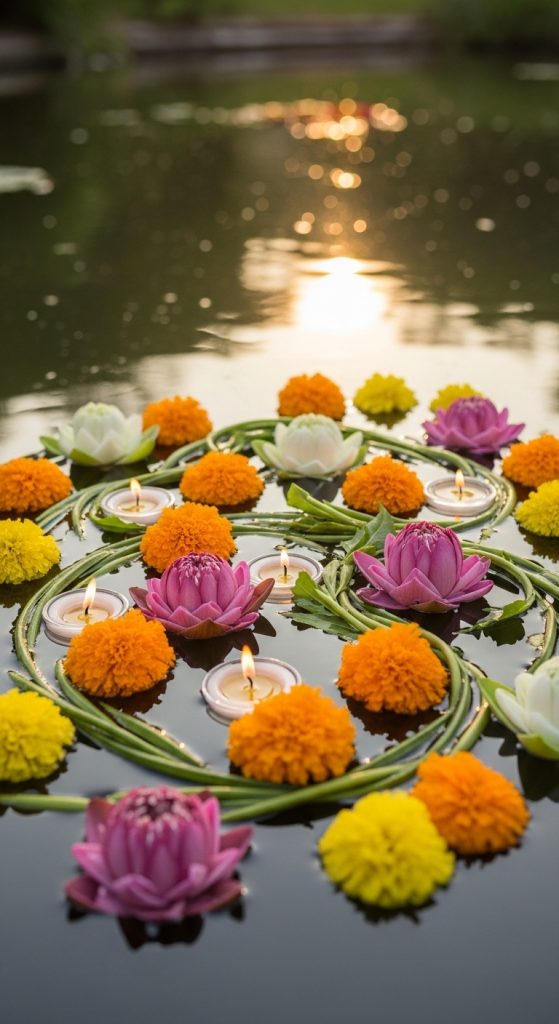
Floating flower arrangements bring elegance and tranquility to ponds, pools, or garden fountains. Preparation materials include shallow bowls or water basins, floating candles, and sturdy flowers like lotus, gerbera, or marigold. Fill the container with clean water and cut flower stems short so the heads float freely. Arrange blooms in clusters or patterns for a symmetrical effect. You can also add floating leaves or petals for texture. If desired, place floating candles among the flowers for evening illumination. For outdoor durability, use flowers that can withstand sun exposure and remain buoyant for several hours. Avoid delicate blooms that wilt easily. These floating displays are ideal for outdoor dinners, weddings, or relaxation spaces. The gentle motion of the flowers on water creates a peaceful atmosphere that enhances both sight and sound in your garden.
6. Create Flower Arches and Entrances
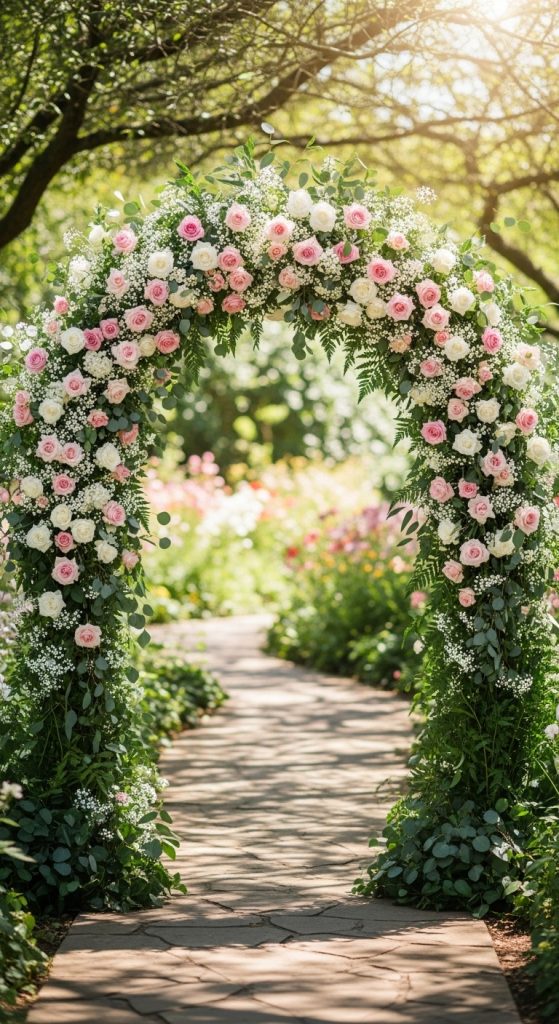
A floral arch makes a powerful statement for outdoor events and gatherings. Preparation materials include a metal or wooden arch frame, floral wire, zip ties, greenery, and a selection of long-lasting flowers like roses, chrysanthemums, and baby’s breath. Begin by wrapping the frame with greenery to establish a lush base. Secure stems with wire or ties. Then, insert flowers evenly, balancing colors and sizes for visual harmony. Add trailing vines for a romantic, natural flow. Mist flowers lightly to maintain freshness before the event. For temporary outdoor setups, consider artificial flowers blended with real foliage for cost efficiency and durability. Place the arch at entryways, garden paths, or ceremony spots. A well-arranged floral arch creates a dramatic and memorable impression while seamlessly blending with the outdoor environment.
7. Arrange Wildflowers in Mason Jars
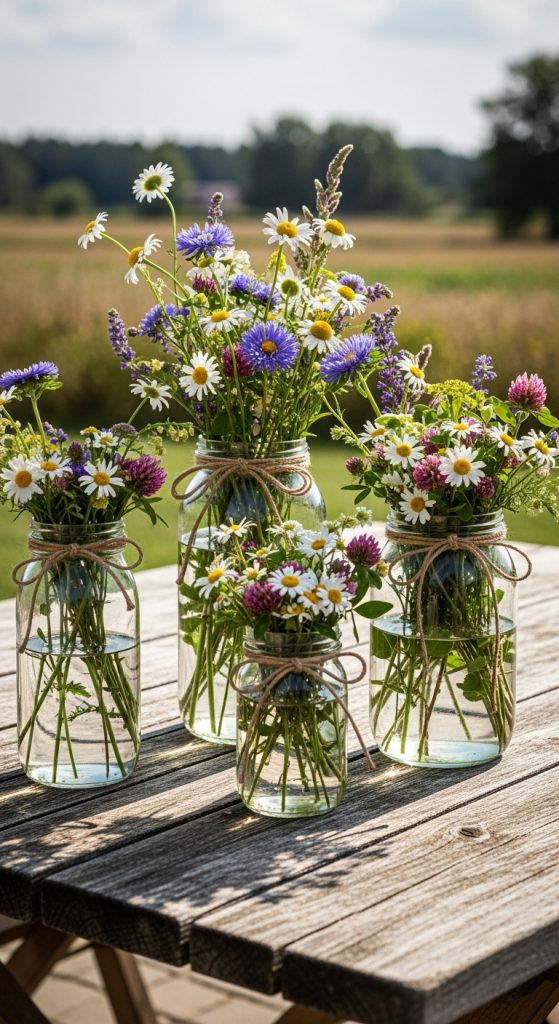
Mason jar arrangements are affordable, charming, and perfect for casual outdoor decor. Preparation materials include mason jars, twine or ribbon, fresh wildflowers, and water. Collect a variety of wildflowers such as daisies, asters, and clovers from your garden or local fields. Trim stems at an angle and remove excess leaves below the water line to keep water clear. Fill jars two-thirds full with fresh water and arrange flowers loosely for a natural, effortless appearance. Tie twine or ribbon around the jar neck for a rustic touch. Group several jars together on tables, fences, or outdoor shelves for maximum effect. This simple idea is ideal for picnics, casual gatherings, or farmhouse-style weddings. Wildflower mason jars celebrate simplicity and nature’s beauty while remaining cost-effective and easy to assemble.
8. Layer Flower Pots for Dimension
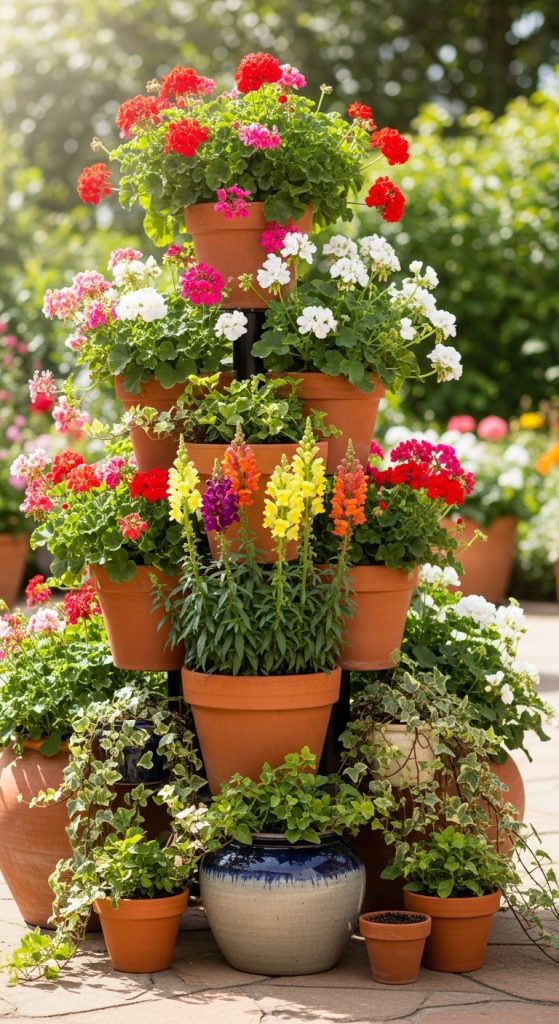
Layering flower pots is an effective way to add height and depth to outdoor floral displays. Preparation materials include large and small pots, potting mix, and a combination of tall, medium, and trailing plants. Begin by placing the largest pot at the bottom and stacking smaller pots on top, offset slightly to create visibility for each layer. Secure each pot with soil to maintain stability. Plant tall blooms like snapdragons or salvia in the largest pot, medium flowers such as geraniums or pansies in the middle, and cascading plants like ivy or petunias in the smallest pots. Ensure adequate watering for all levels. Layered arrangements work beautifully on patios, staircases, or terraces, maximizing limited space while offering vibrant multi-level color. This setup creates an eye-catching focal point that looks professional yet remains simple and affordable.
9. Arrange Seasonal Flower Displays
Designing flower arrangements based on the season ensures freshness and harmony with your natural surroundings. Preparation materials include seasonal blooms, matching containers, and accent foliage. In spring, use tulips, daffodils, and hyacinths for bright pastel tones. Summer arrangements can include sunflowers, zinnias, and roses for vibrant energy. Autumn displays may use chrysanthemums, marigolds, and ornamental grasses in rich orange and gold hues, while winter arrangements benefit from evergreens, berries, and white blooms. Combine complementary textures such as branches, leaves, or seed pods. Keep arrangements simple yet abundant to reflect the natural season. Changing your outdoor flower designs throughout the year keeps your garden dynamic and interesting. Seasonal arrangements also make maintenance easier since you work with flowers that thrive in current weather conditions, reducing cost and replacement needs.
10. Combine Flowers with Lighting for Evening Appeal
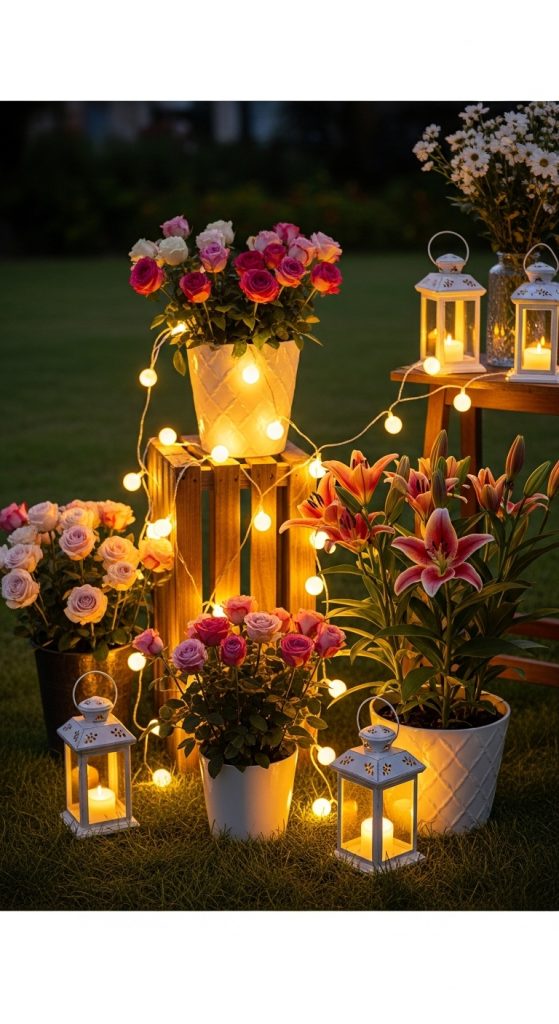
Integrating lighting into outdoor flower arrangements creates a magical nighttime atmosphere. Preparation materials include LED string lights, solar lanterns, or battery-operated candles, along with durable flower varieties such as lilies or roses. Arrange flowers in clusters or pots and weave soft lighting among them, ensuring the bulbs do not overheat or touch petals directly. Use warm white lights for an inviting glow or colored lights for festive occasions. Lighting can also highlight specific floral features like arches, pathways, or centerpieces. For safety, choose waterproof lighting options suitable for outdoor conditions. Combining flowers and light enhances the mood of evening events, adding depth and sparkle to your arrangements. This technique allows guests to enjoy your floral designs even after sunset, transforming ordinary gardens into enchanting outdoor spaces.
About Me

Chesung Subba
Author/Writer
Hello, I'm Chesung Subba, a passionate writer who loves sharing ideas, stories, and experiences to inspire, inform, and connect with readers through meaningful content.
Follow Me
Connect with me and be part of my social media community.
Leave a Reply