10 Soft floating curtains

Soft floating curtains are a timeless interior design choice that adds elegance lightness and calm to any space. These curtains are designed to move gently with air creating a dreamy floating effect that softens harsh lines in a room. They work beautifully in bedrooms living rooms dining spaces and even cozy reading corners. The appeal of soft floating curtains lies in their ability to balance privacy with natural light while enhancing the overall atmosphere of a home. This guide explores ten soft floating curtain styles in detail focusing on preparation materials usage and practical design tips. Each style is explained thoroughly to help you choose the right look for your home and understand how to install and maintain it properly.
1 Sheer White Floating Curtains
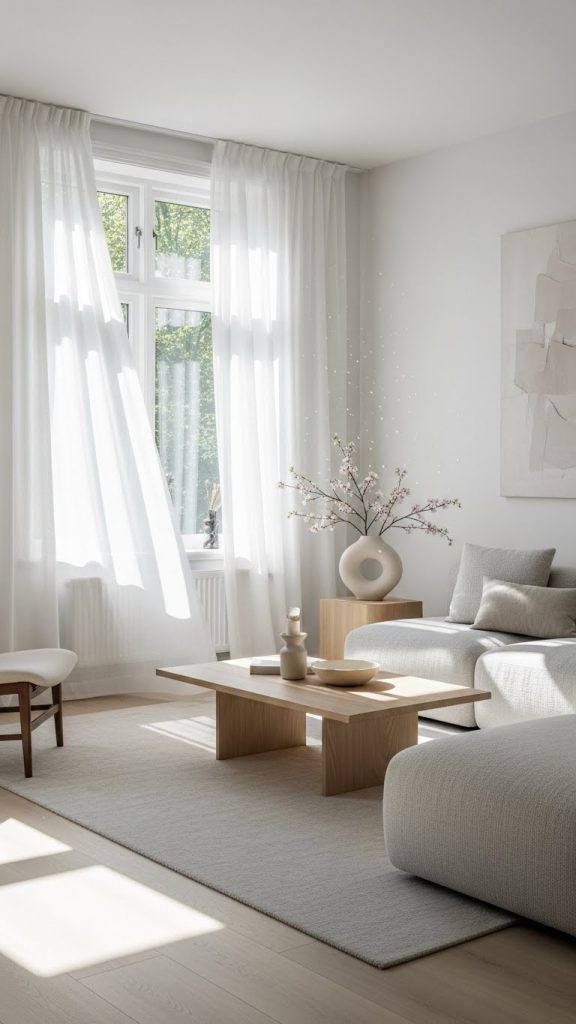
Sheer white floating curtains are the most popular choice for creating a soft airy interior. These curtains are usually made from lightweight materials such as voile chiffon or sheer polyester. Preparation begins by measuring the window height and width carefully allowing extra length so the fabric slightly grazes or pools on the floor. This extra length enhances the floating illusion. Curtain rods should be mounted closer to the ceiling rather than directly above the window frame to give the appearance of taller walls. The fabric is used mainly to filter sunlight rather than block it making it ideal for spaces where natural light is important. Sheer white curtains work best in living rooms bedrooms and minimal interiors. They allow daylight to enter while reducing glare and adding softness to the room. Maintenance involves gentle washing and careful ironing to keep the fabric smooth and wrinkle free. These curtains pair well with neutral furniture and light colored walls creating a peaceful and open environment.
2 Soft Linen Floating Curtains
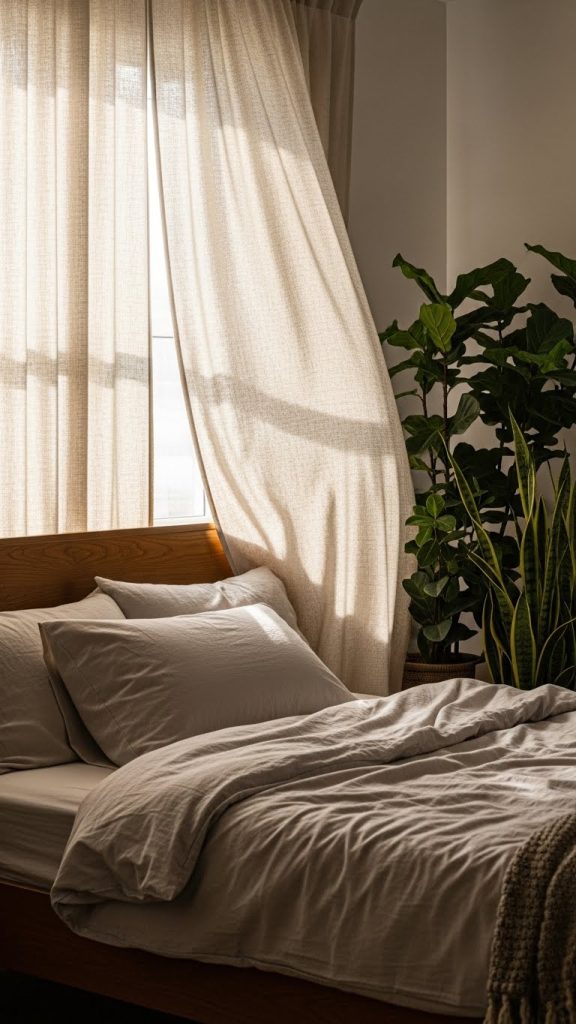
Soft linen floating curtains bring a natural and relaxed feel to interiors. Linen fabric is breathable and textured which gives the curtains a subtle movement when air flows through the room. Preparation includes pre washing the linen to prevent shrinkage and soften the fibers before stitching. Linen curtains are usually hung slightly above the window frame and allowed to fall freely to the floor. The material is ideal for homes that embrace earthy tones and organic decor. Linen floating curtains provide light privacy while still allowing soft daylight to pass through. They are perfect for bedrooms and living areas where comfort is a priority. The use of neutral colors such as beige off white or soft gray enhances the floating effect. Linen requires gentle care including low heat washing and minimal ironing. Over time the fabric becomes softer adding to its charm and making it a long lasting decor choice.
3 Layered Sheer and Solid Floating Curtains
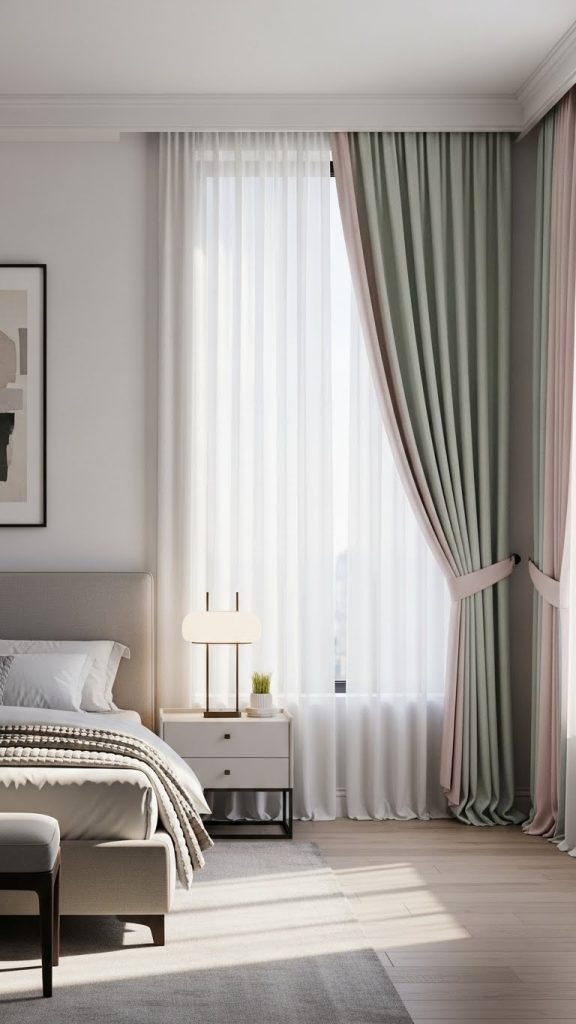
Layered floating curtains combine sheer fabric with a lightweight solid curtain to offer both beauty and functionality. Preparation involves selecting compatible fabrics that flow well together such as sheer voile paired with cotton or linen. Two curtain rods or a double rod system is required to hang both layers properly. The sheer layer is placed closer to the window while the solid layer floats in front. This setup allows flexibility in light control and privacy. During the day the sheer curtain filters sunlight while maintaining openness. At night the solid curtain can be drawn for privacy. These curtains are commonly used in master bedrooms and formal living rooms. The materials should be lightweight to maintain the floating effect. Regular care includes washing each layer separately according to fabric type. This style adds depth dimension and elegance to a room without overwhelming the space.
4 Floor Length Floating Curtains
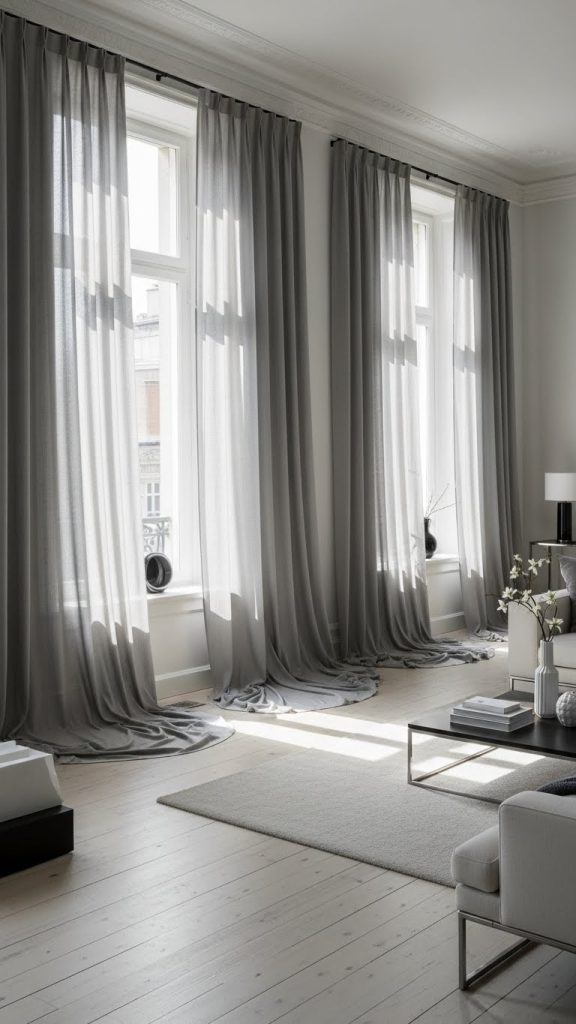
Floor length floating curtains create a luxurious and dramatic look. These curtains are designed to extend from ceiling mounted rods down to the floor. Preparation requires precise measurement and hemming to ensure the fabric just touches or slightly rests on the floor. Materials such as soft polyester blends silk like fabrics or lightweight cotton are commonly used. The purpose of floor length curtains is to enhance vertical space and create a flowing uninterrupted look. They are ideal for rooms with high ceilings or large windows. The floating effect is achieved by choosing fabrics that drape smoothly without stiffness. Installation should be done carefully to keep the curtains evenly aligned. Maintenance includes regular dusting and occasional washing. Floor length floating curtains instantly elevate the appearance of a room making it feel refined and spacious.
5 Pastel Tone Floating Curtains
Pastel tone floating curtains add gentle color while maintaining softness. These curtains are made from sheer or semi sheer fabrics dyed in soft shades like blush mint lavender or powder blue. Preparation includes selecting a color that complements wall paint and furniture. The fabric should be lightweight to ensure it moves easily with airflow. Pastel floating curtains are commonly used in bedrooms nurseries and creative spaces. They soften natural light by adding a subtle tint to the room which creates a calming environment. Curtain rods should be simple and minimal to keep attention on the fabric. Care involves gentle washing to prevent color fading. These curtains are ideal for those who want a hint of color without overpowering the decor. When styled correctly pastel floating curtains bring warmth charm and tranquility to any space.
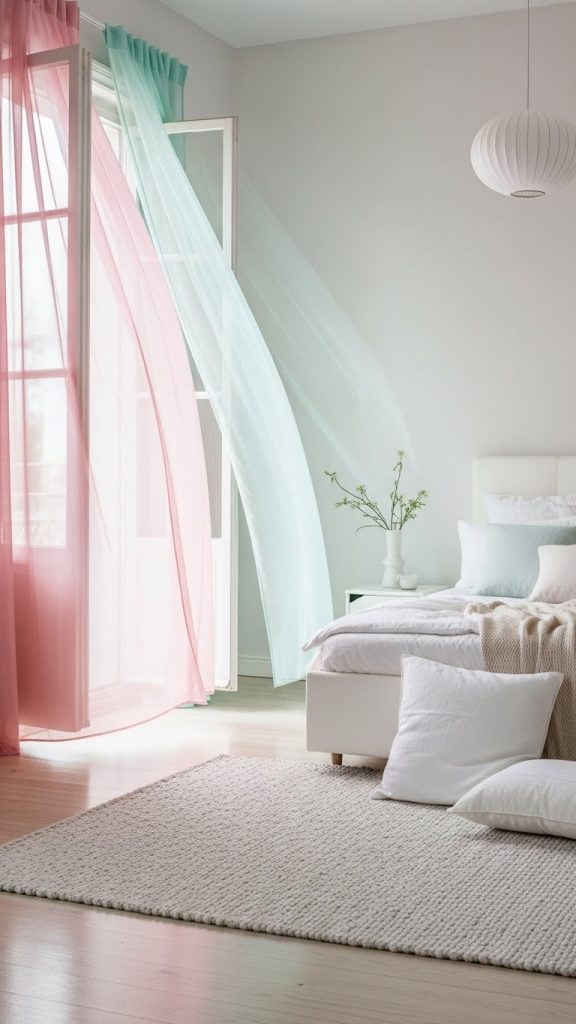
6 Ceiling Mounted Floating Curtains
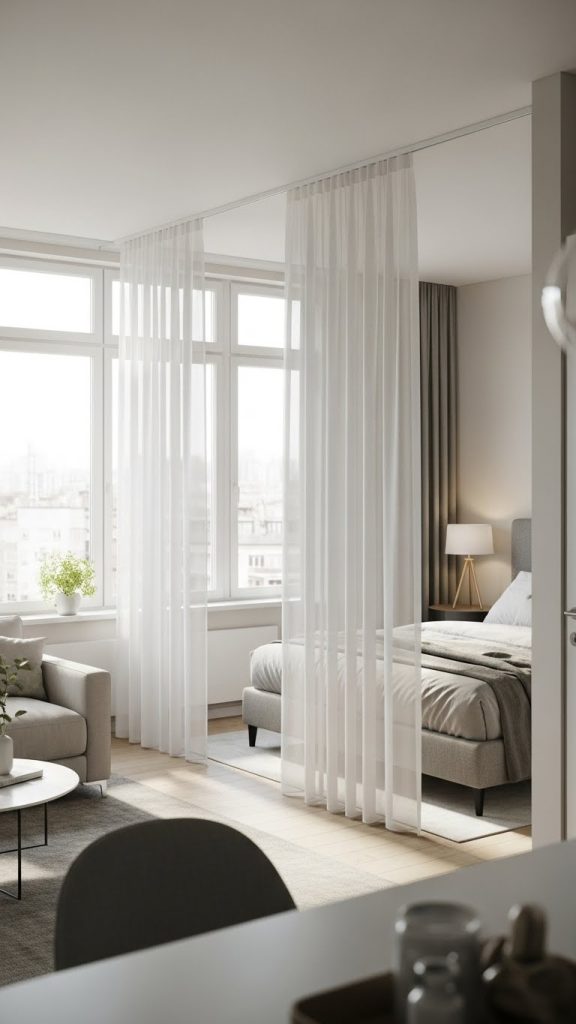
Ceiling mounted floating curtains create a seamless and modern look. Preparation begins with installing curtain tracks or rods directly into the ceiling. This method requires accurate drilling and secure fittings to support the curtain weight. Lightweight materials such as sheer polyester or voile are best suited for this style. The curtains fall straight from ceiling to floor giving the illusion of taller ceilings and larger windows. This design is often used in contemporary apartments and minimalist homes. Ceiling mounted floating curtains can also be used as room dividers in open plan spaces. The material allows light to pass through while defining separate areas. Maintenance includes keeping the tracks clean and ensuring smooth movement. This style is practical elegant and ideal for creating a soft architectural effect within a room.
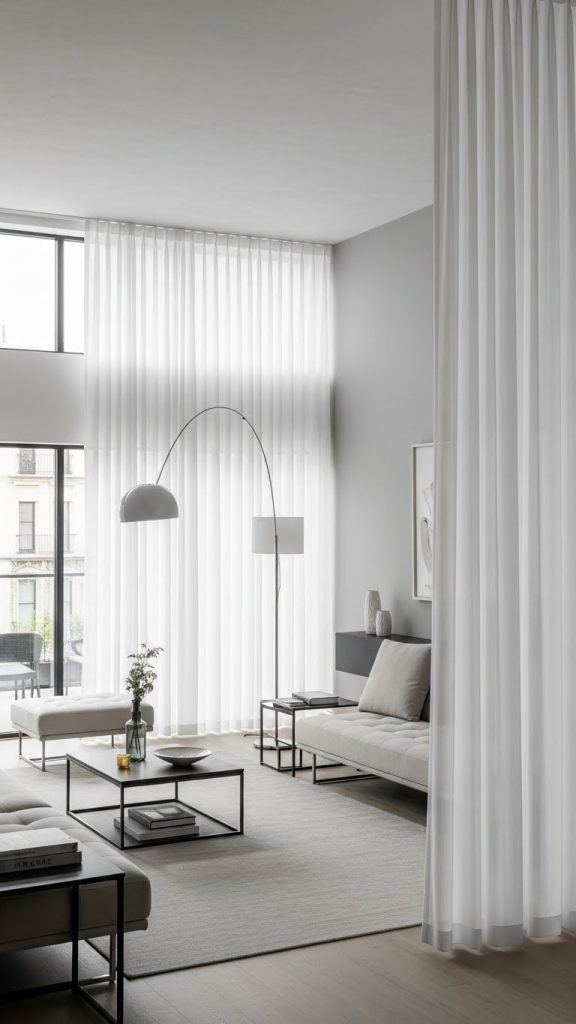
7 Neutral Beige Floating Curtains
Neutral beige floating curtains offer warmth and versatility. These curtains are made from sheer or lightly woven fabrics in beige sand or cream tones. Preparation involves choosing the right shade to match flooring and furniture. Beige floating curtains soften sunlight while adding a cozy layer to the room. They are suitable for living rooms dining areas and bedrooms. The material should be breathable and flow easily to maintain the floating appearance. Installation is simple using standard rods or tracks. Beige curtains blend well with both modern and traditional interiors. Care includes regular washing and light ironing. These curtains are an excellent choice for those who want a balanced look that feels both elegant and inviting without drawing too much attention.
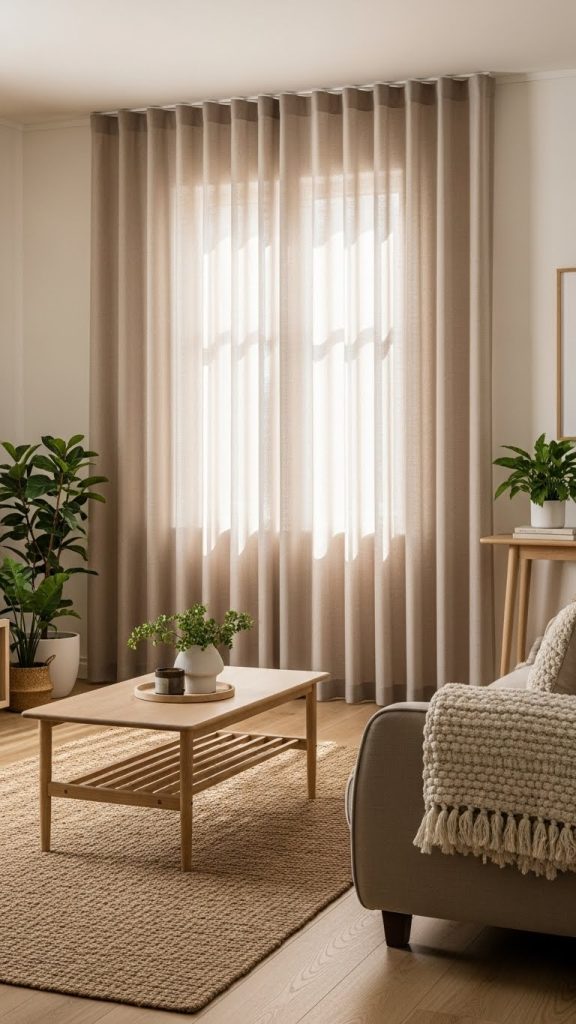
8 Minimal Wave Style Floating Curtains
Minimal wave style floating curtains feature soft uniform folds that move gracefully. Preparation includes selecting wave tape or specialized curtain headings that create even ripples. The fabric should be lightweight and smooth such as polyester blends or soft cotton. These curtains are typically hung on ceiling tracks for a clean modern finish. The wave style enhances the floating effect by allowing consistent movement across the fabric. This design is ideal for modern living rooms and bedrooms with clean lines. The material filters light gently and maintains privacy without heaviness. Maintenance involves careful washing and rehanging to preserve the wave structure. Wave style floating curtains add sophistication and simplicity making them a favorite in contemporary interiors.
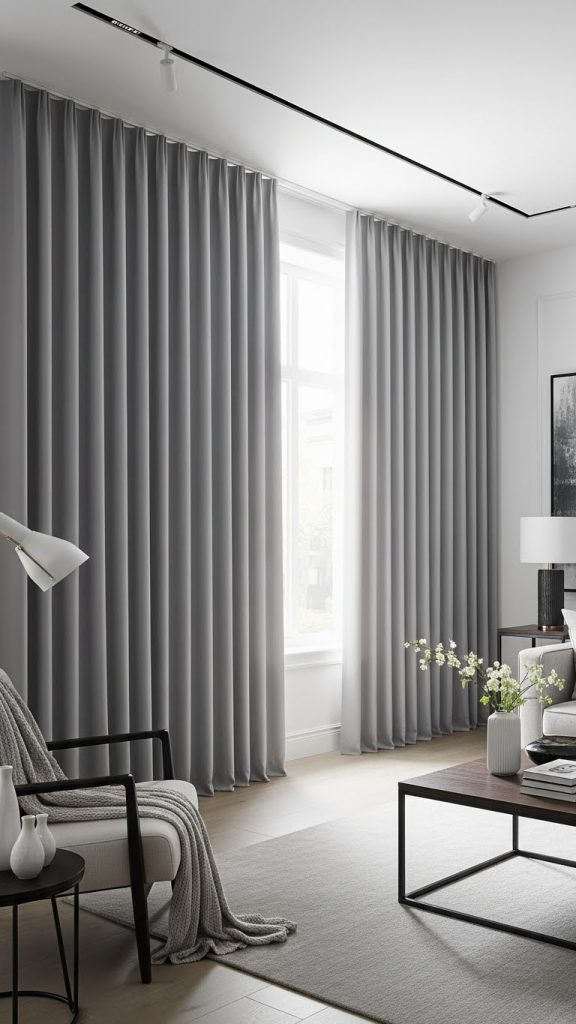
9 Bohemian Soft Floating Curtains
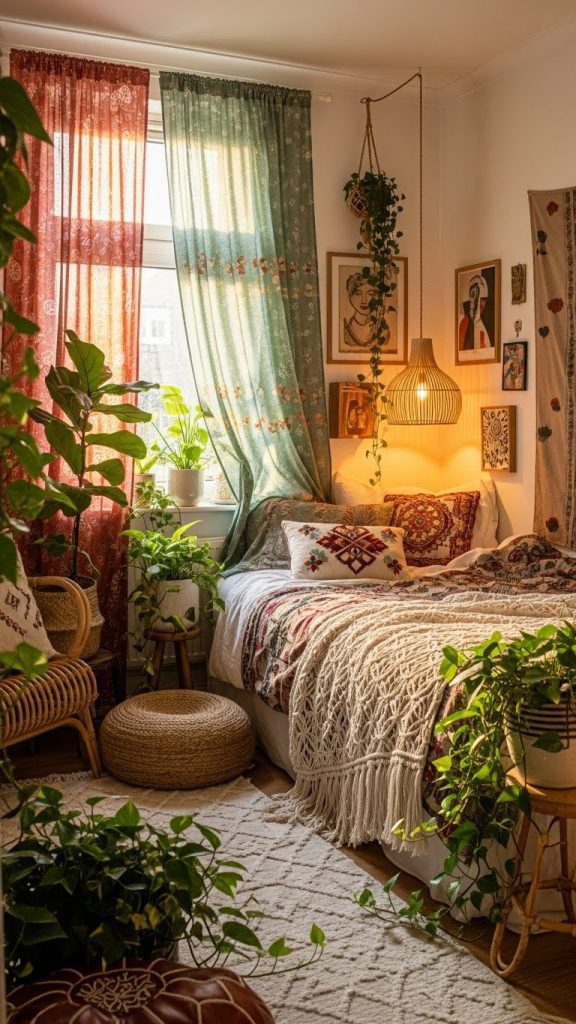
Bohemian soft floating curtains bring a relaxed artistic vibe. These curtains are often made from sheer cotton muslin or gauze fabrics. Preparation includes choosing natural textures and earthy tones. The fabric may feature subtle patterns or embroidery but remains lightweight. Bohemian floating curtains are commonly used in bedrooms and creative spaces. They allow plenty of natural light while adding character and warmth. Installation can be casual using wooden rods or simple ties. Care involves gentle washing to maintain fabric softness. These curtains pair well with plants woven furniture and layered textiles. The floating movement adds to the free spirited feel making the room feel comfortable and personal.
10 Soft Floating Curtains as Room Dividers
Soft floating curtains can also be used as room dividers. Preparation includes measuring the space and installing ceiling tracks where separation is needed. Lightweight sheer fabrics are ideal to maintain openness while defining zones. These curtains are useful in studio apartments shared rooms or large bedrooms. They provide visual separation without blocking light or airflow. The material should be durable enough for frequent movement. Care includes regular cleaning and ensuring tracks remain smooth. Using floating curtains as dividers adds flexibility to a space allowing easy changes in layout. This style combines practicality with softness making it an innovative interior solution.
About Me

Chesung Subba
Author/Writer
Hello, I'm Chesung Subba, a passionate writer who loves sharing ideas, stories, and experiences to inspire, inform, and connect with readers through meaningful content.
Follow Me
Connect with me and be part of my social media community.
Leave a Reply