10 Thrifted room items

Decorating a room does not have to be expensive to feel intentional, stylish, and personal. Thrifted room items offer a unique way to design a beautiful space while staying within budget and making environmentally conscious choices. When chosen carefully, secondhand pieces often bring more character than mass produced decor. They carry history, craftsmanship, and charm that newer items sometimes lack. With the right preparation and a thoughtful approach, thrifted items can be cleaned, restored, styled, and blended seamlessly into modern interiors.
This guide explores ten thrifted room items that can transform any bedroom, living room, or personal space. Each item focuses on how to select quality pieces, prepare them for use, understand the materials involved, and style them effectively. Whether you enjoy minimalist decor, cozy aesthetics, vintage charm, or modern eclectic spaces, thrifted finds can help you achieve your vision affordably.
Item One Thrifted Mirrors
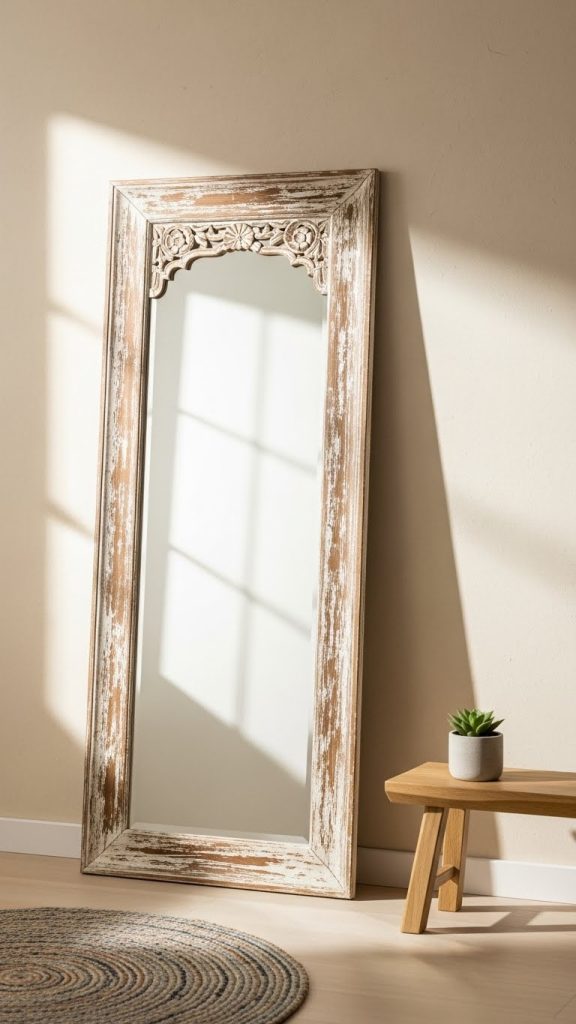
Thrifted mirrors are one of the most impactful items you can add to a room. They reflect light, create the illusion of space, and add architectural interest. When shopping secondhand, focus on mirrors with solid frames made of wood or metal. Avoid cracked glass or severe warping. Minor scratches on the frame are acceptable and often add character.
Preparation begins with a thorough cleaning of the glass using vinegar and water or a gentle glass cleaner. Frames should be wiped down and inspected for loose joints or peeling paint. Wooden frames can be lightly sanded and repainted or stained to suit your room’s color palette. Metal frames may benefit from rust removal and a fresh coat of spray paint.
Mirrors work well above dressers, leaning against walls, or as statement pieces in small rooms. Oversized thrifted mirrors are especially valuable because similar new pieces are often expensive. Styling a mirror with neutral surroundings allows its shape and frame to stand out while still blending naturally into the space.
Item Two Secondhand Table Lamps
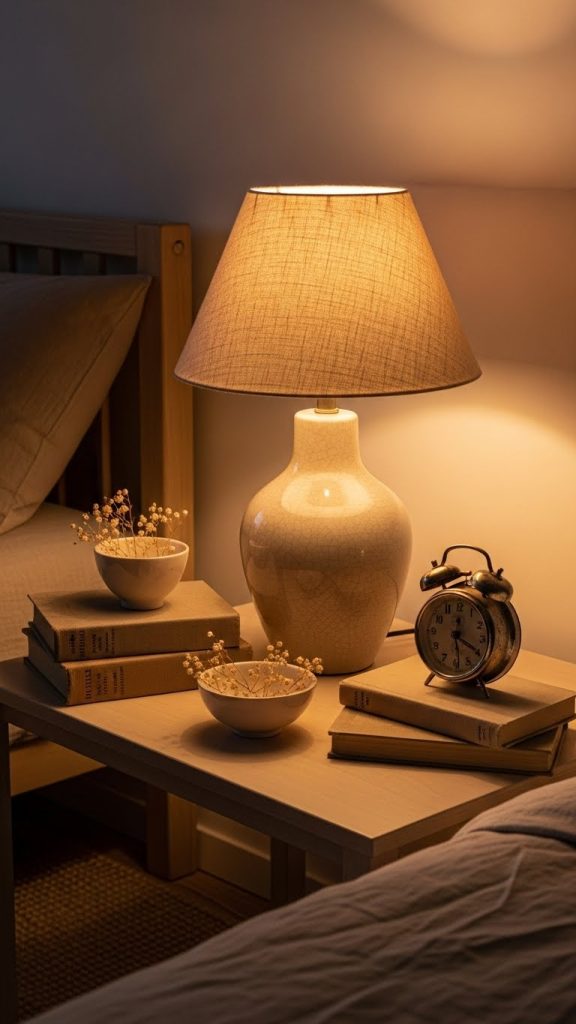
Table lamps found at thrift stores often feature unique bases and classic silhouettes that are hard to find in modern retail stores. Look for lamps with solid ceramic, glass, brass, or wood bases. Electrical cords should be checked for damage, but rewiring is inexpensive and worth the effort.
Preparation involves cleaning the base thoroughly and replacing outdated lampshades. Shades are often the easiest way to modernize a thrifted lamp. Choose neutral fabrics like linen or cotton for timeless appeal. If the base feels dated, spray paint can completely change its look. Matte finishes tend to work best in modern interiors.
Materials such as ceramic and brass add warmth and texture to a room. Place thrifted lamps on bedside tables, desks, or side tables to create soft ambient lighting. Layering lighting with thrifted lamps helps make a room feel cozy and well designed without relying on overhead lights alone.
Item Three Vintage Picture Frames
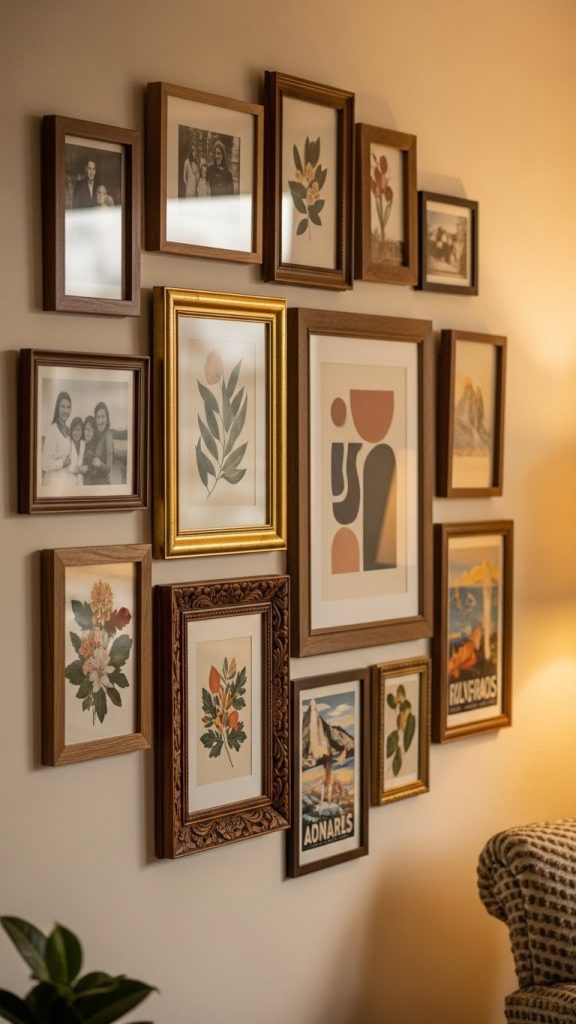
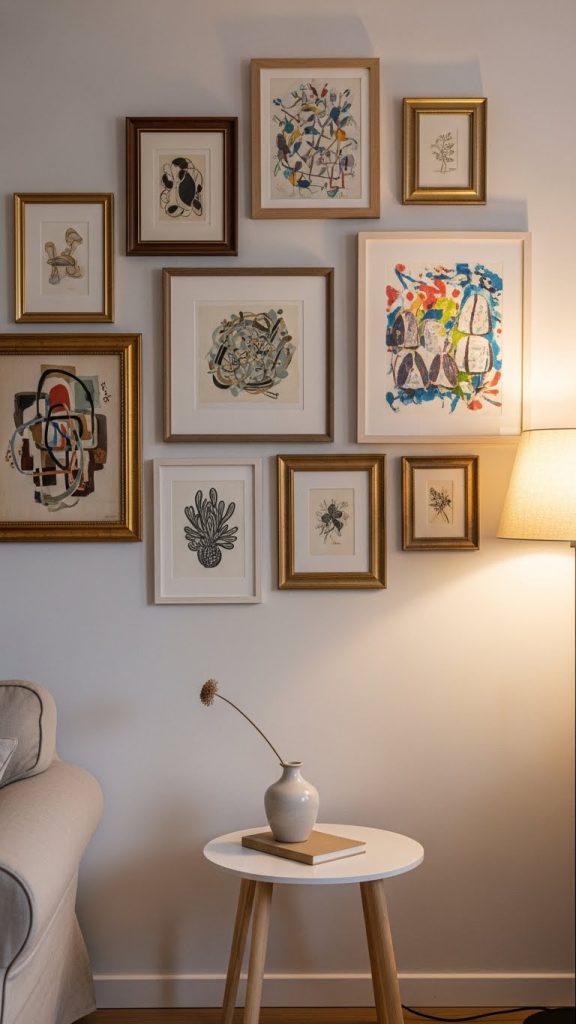
Thrifted picture frames are a budget friendly way to add personality to walls. Wooden, brass, or carved frames often have better craftsmanship than newer alternatives. Focus on frames with sturdy backs and intact glass. Minor chips or worn finishes can enhance their charm.
Preparation includes cleaning glass panels and reinforcing loose corners with wood glue. Frames can be painted, stained, or left as is depending on your style. Mixing different frame sizes and finishes creates a collected and curated look.
These frames can hold personal photos, art prints, pressed flowers, or fabric samples. A gallery wall made entirely of thrifted frames adds depth and interest to any room. Frames can also be leaned on shelves or dressers instead of hung. This flexibility makes them ideal for renters and frequent decorators.
Item Four Thrifted Rugs and Textiles
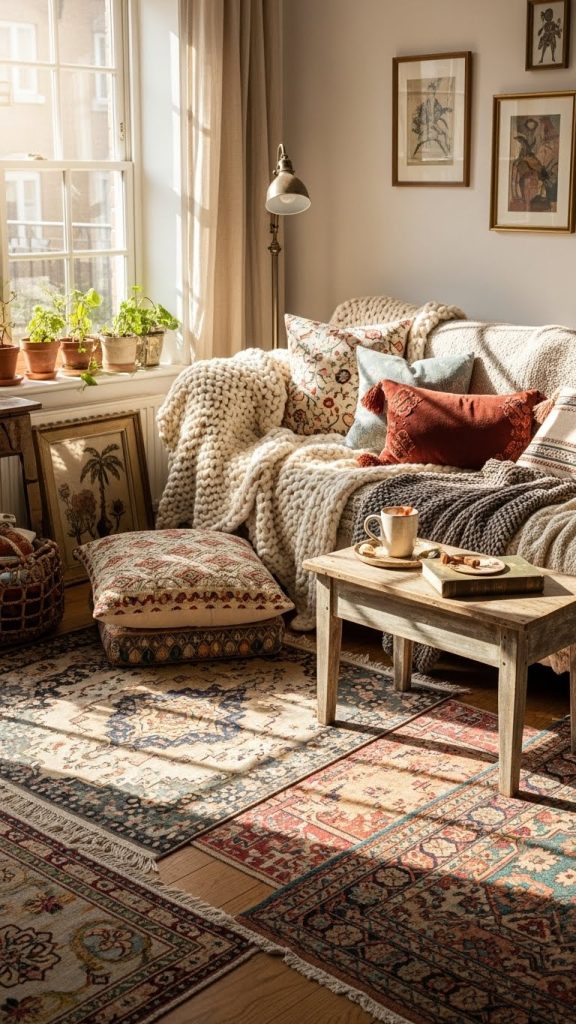
Rugs and textiles found secondhand bring warmth and softness to a room. Look for wool, cotton, or woven rugs rather than synthetic materials. Inspect for odors, stains, and excessive wear. Smaller imperfections are acceptable if the rug structure is intact.
Preparation is essential for thrifted textiles. Vacuum thoroughly and consider professional cleaning for larger rugs. Smaller items like throws and pillow covers can be washed on gentle cycles using mild detergent. Sun drying helps eliminate odors naturally.
Layering thrifted rugs over neutral flooring adds visual interest and defines spaces within a room. Textiles can be used on beds, sofas, or chairs to add color and texture. Mixing patterns and materials creates a cozy lived in feel while keeping the space unique and personal.
Item Five Secondhand Dressers and Nightstands
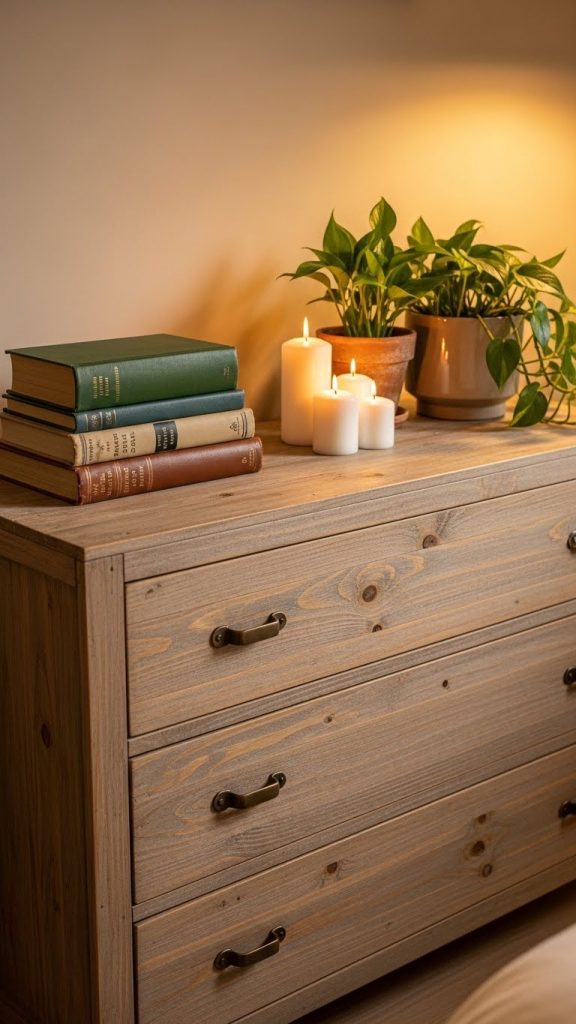
Thrifted furniture pieces like dressers and nightstands are often made from solid wood, unlike many modern flat pack options. Look for sturdy construction, smooth drawer movement, and minimal structural damage. Cosmetic flaws are easy to fix.
Preparation includes tightening screws, repairing minor chips with wood filler, and sanding surfaces before refinishing. Paint, stain, or seal the wood depending on your desired aesthetic. Changing hardware is one of the easiest ways to modernize old furniture.
These pieces provide both function and style. A thrifted dresser can anchor a bedroom while nightstands add symmetry and storage. Natural wood tones bring warmth, while painted finishes allow furniture to blend into minimalist or contemporary spaces.
Item Six Thrifted Wall Art
Secondhand wall art offers endless creative possibilities. Even if the artwork itself is not your taste, the frames or canvases can be repurposed. Look for pieces with good proportions and solid backing.
Preparation may involve removing existing artwork and replacing it with your own prints or fabric. Canvas art can be painted over to create abstract designs. Frames can be reused for photography or typography prints.
Wall art adds personality and storytelling to a room. Thrifted art often feels more authentic and layered than mass produced decor. Grouping multiple pieces together creates visual impact while allowing each item to contribute to the overall design.
Item Seven Vintage Chairs and Stools
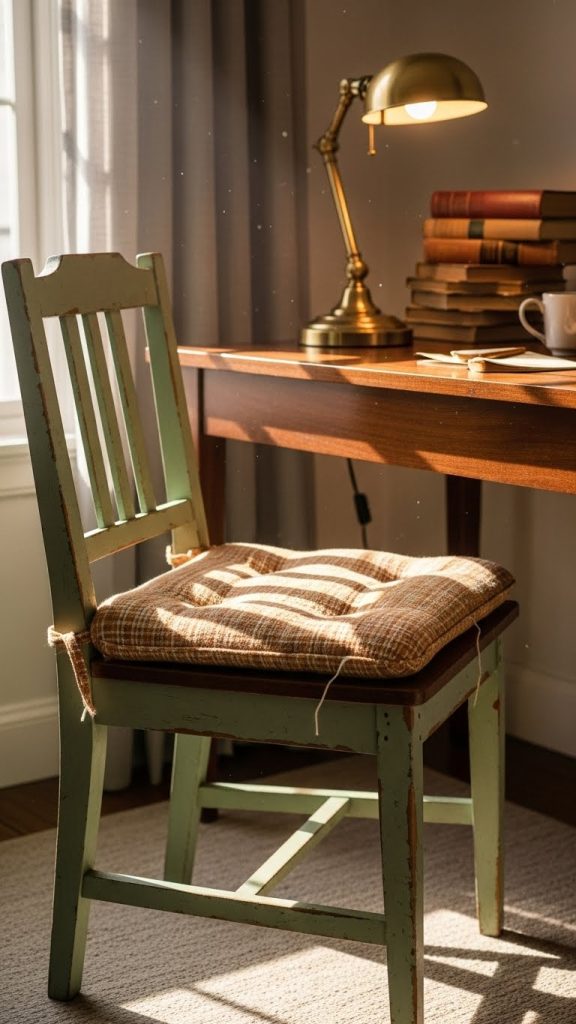
Chairs and stools are excellent thrifted finds for bedrooms and living spaces. Look for sturdy legs, solid joints, and comfortable proportions. Wooden and metal frames tend to age better than plastic.
Preparation may include tightening joints, sanding rough areas, and repainting or staining frames. Cushioned seats can be reupholstered with fabric that complements your room’s palette. Even simple neutral fabric can make a significant difference.
These pieces work well as desk chairs, bedside seating, or decorative accents. A thrifted chair adds dimension and functionality while contributing to a layered, intentional interior design.
Item Eight Secondhand Shelving Units
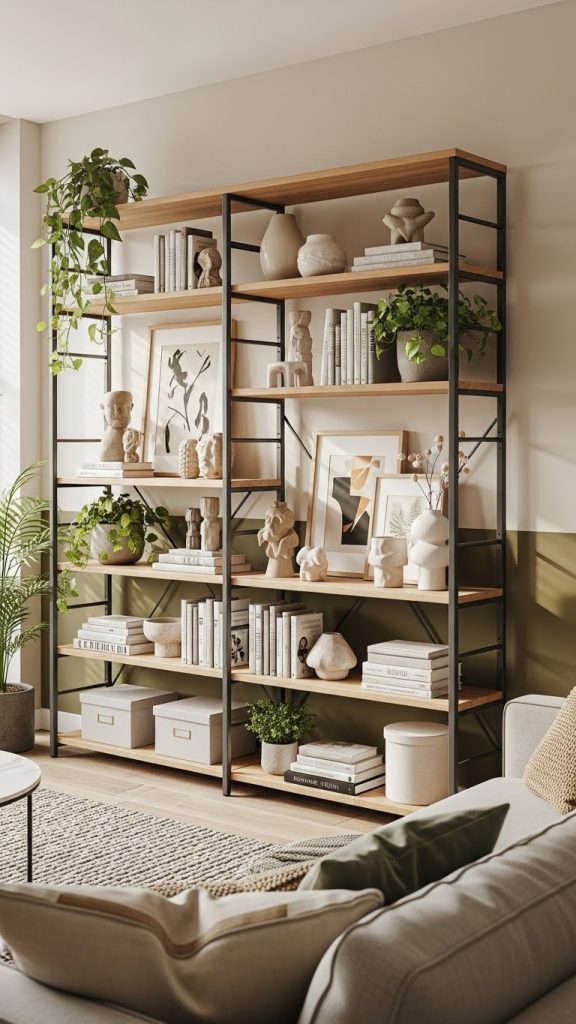
Shelving units found secondhand often feature solid wood or metal construction. Inspect shelves for sagging and check that all supports are intact. Modular or adjustable shelves offer more flexibility.
Preparation involves cleaning surfaces and reinforcing weak joints. Shelves can be painted or left natural depending on the room style. Wall mounted shelves should be securely anchored to studs for safety.
Thrifted shelves are ideal for displaying books, plants, framed photos, and decorative objects. They add vertical interest and maximize storage without overcrowding the room. Styling shelves with a mix of practical and decorative items creates balance.
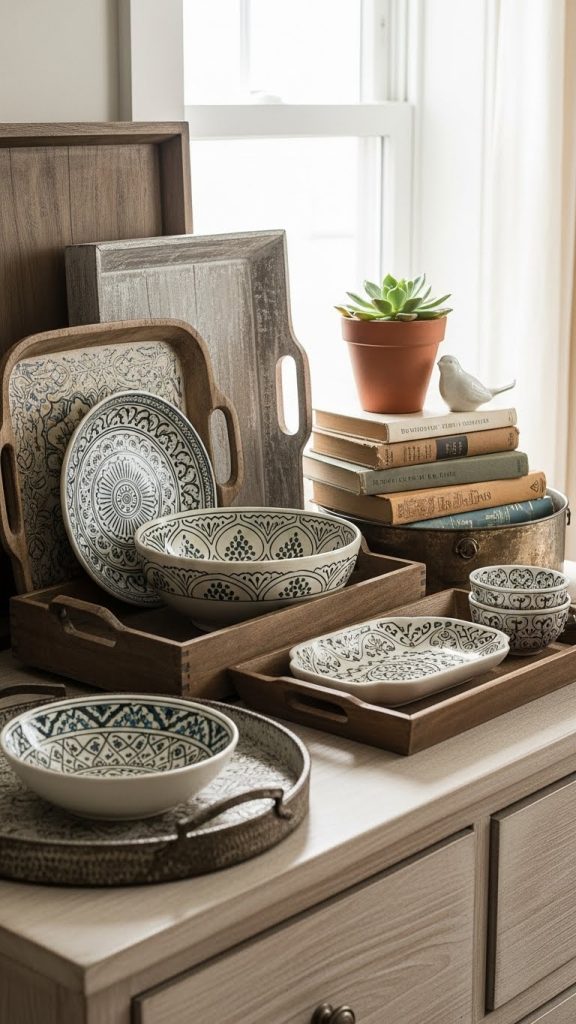
Item Nine Thrifted Decorative Trays and Bowls
Decorative trays and bowls are often overlooked at thrift stores but are incredibly useful. Look for ceramic, wood, metal, or glass materials. Avoid cracked or chipped items unless used purely decoratively.
Preparation includes washing thoroughly and polishing surfaces if necessary. Wooden trays may benefit from conditioning oil, while metal pieces can be polished for shine or left with patina for character.
These items help organize small objects on desks, dressers, and nightstands. They also add texture and structure to flat surfaces. Grouping small items within a tray makes a space feel intentional rather than cluttered.
Item Ten Secondhand Curtains and Fabric Panels
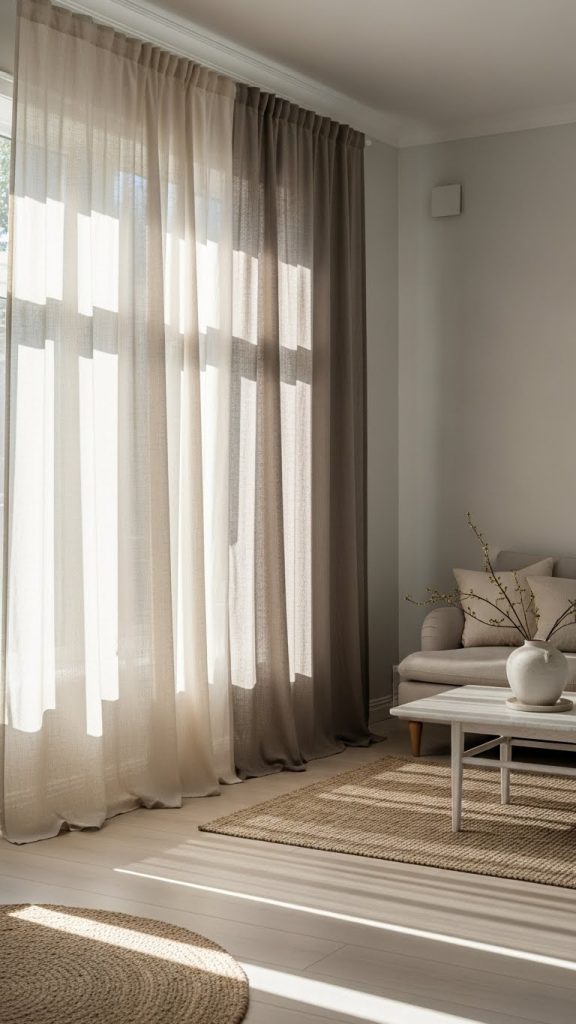
Curtains and fabric panels are often available secondhand at a fraction of retail cost. Look for natural fabrics like cotton, linen, or blends. Ensure panels are long enough for your windows and free from major stains.
Preparation includes washing and ironing fabric to restore freshness. Hemming may be needed to achieve the correct length. Curtain rings or clips can modernize older styles instantly.
Fabric panels soften a room and help control light. Neutral curtains create a calm foundation, while patterned panels add interest. Thrifted curtains allow experimentation with color and texture without a large investment.
Tags: 10 Thrifted room items
About Me

Chesung Subba
Author/Writer
Hello, I'm Chesung Subba, a passionate writer who loves sharing ideas, stories, and experiences to inspire, inform, and connect with readers through meaningful content.
Follow Me
Connect with me and be part of my social media community.
Leave a Reply