
10 Cute Playdough Ideas

Playdough is more than just a fun activity for children; it is a powerful tool for developing creativity, fine motor skills, and cognitive abilities. Children can explore colors, shapes, and textures while enhancing their hand-eye coordination and problem-solving skills. Playdough is safe, non-toxic, and easy to make at home, which makes it a favorite craft material for parents and teachers alike. With the right ideas, playdough can transform ordinary playtime into imaginative adventures that keep kids engaged for hours.
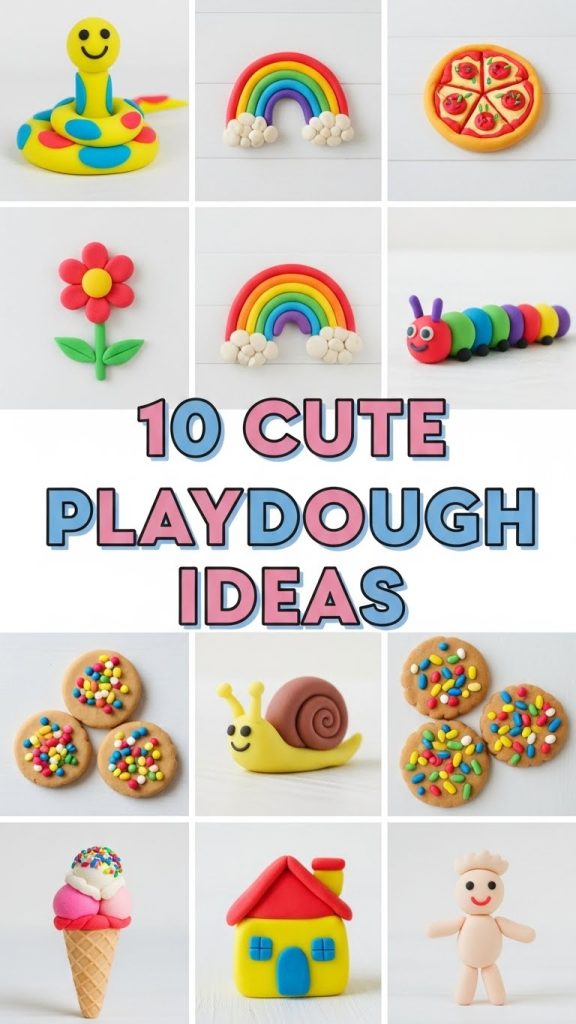
From making simple animals to crafting miniature food or seasonal decorations, playdough encourages children to express themselves freely. It also fosters social skills when used in group play, as kids learn to share, collaborate, and communicate their ideas. Beyond fun, it is a calming and therapeutic activity, helping children manage stress and develop patience. In this post, we will explore ten cute playdough ideas that are simple to make, visually appealing, and enjoyable for kids of all ages. These ideas include preparation tips, suggested materials, and step-by-step guidance to spark creativity and make playtime memorable.
1. Playdough Animals
Creating animals with playdough is a classic and enjoyable activity for children. Start with basic shapes like balls, cylinders, and cones, which can be combined to form various creatures such as cats, dogs, and birds. To make the activity more educational, encourage children to match colors with the animals’ natural appearances or invent their own fantastical animals.
Materials needed are simple: colored playdough, toothpicks for details, and a safe surface to work on. Begin by rolling small balls for the body and head, then use thinner pieces for tails, ears, and legs. Add tiny details like eyes or patterns by gently pressing or rolling small bits of contrasting colored playdough. This activity is excellent for enhancing fine motor skills as children pinch, roll, and shape small pieces.
For variation, children can make a whole zoo or farm, arranging animals in groups and even creating simple scenery like trees or ponds. This project encourages imaginative storytelling and helps children learn about different animals while having fun with tactile play.
2. Playdough Food
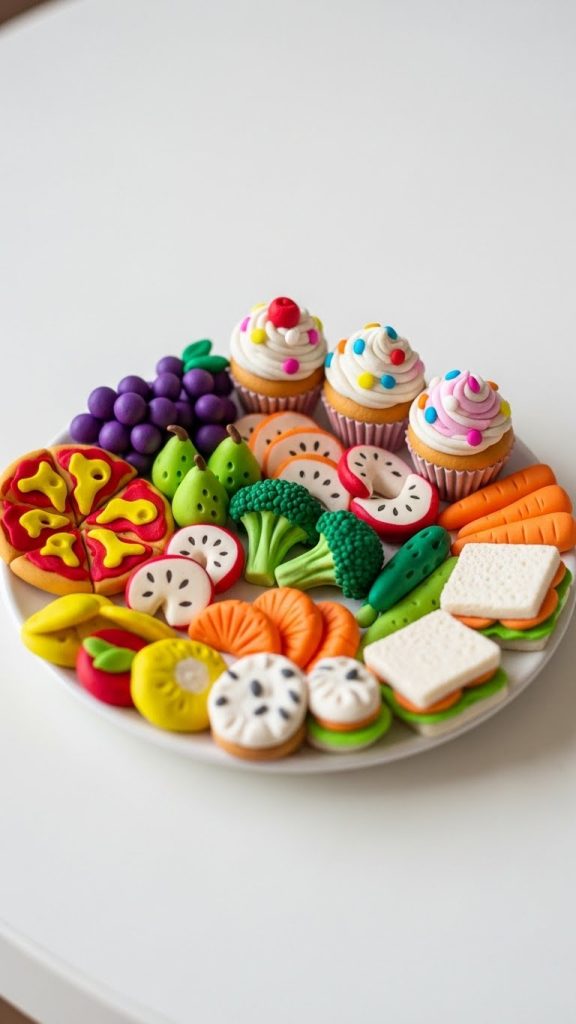
Making miniature food items from playdough is both cute and educational. Kids love creating tiny pizzas, cupcakes, fruits, and vegetables, which helps them recognize different foods and colors. This activity also promotes fine motor development, as rolling, flattening, and shaping small pieces require precision and control.
Use vibrant playdough colors to represent real food items. For example, red for tomatoes, green for lettuce, and yellow for cheese. Start with basic shapes, like circles for pizza bases or ovals for fruits, then layer or add small details using tiny bits of contrasting colors. A toothpick can be used for intricate patterns or textures.
This activity can be extended to pretend play, where kids “cook” for family members or create a play kitchen scenario. Teachers and parents can introduce math and counting concepts by having children make a certain number of fruits or cupcakes. Playdough food ideas are simple to prepare and highly engaging, sparking creativity and practical learning in an enjoyable way.
3. Playdough Flowers
Crafting flowers with playdough is a delightful way to teach kids about nature. Children can make simple daisies, roses, or tulips by shaping petals and assembling them around a central stem. This activity develops hand strength and coordination while encouraging an understanding of natural patterns.
Start with green playdough for stems and leaves. Roll small balls of colored dough for petals and flatten them slightly before attaching them to the stem. Layering petals carefully creates more realistic and aesthetically pleasing flowers. To make a bouquet, children can combine different flower types and colors.
Playdough flowers can also be used to celebrate seasonal events like spring or Mother’s Day, allowing children to make gifts or decorations. Using a rolling pin or small molds can simplify the process for younger kids. Overall, this activity combines creativity, learning, and tactile fun, making it an enjoyable and educational playtime project.

4. Playdough Monsters
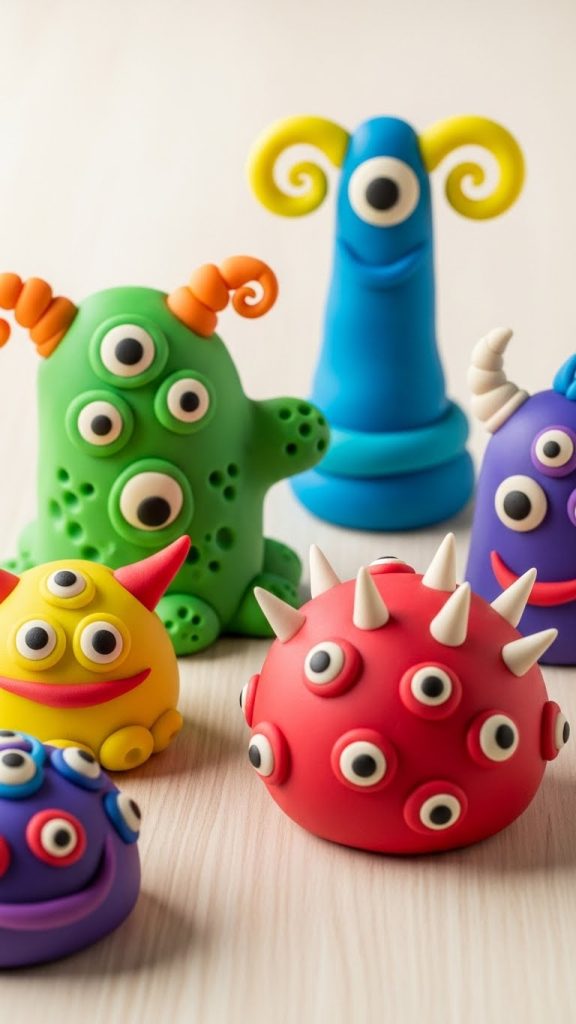
Making playful monsters from playdough is perfect for encouraging imagination. Children can invent creatures with multiple eyes, strange shapes, and bright colors, promoting creative thinking and storytelling skills. This activity also enhances dexterity as kids mold unusual forms and details.
Begin with a simple body shape like a ball or oval, then add limbs, eyes, horns, and other features. Use contrasting colors to make the monsters vibrant and fun. Toothpicks or small tools can help add textures such as scales, stripes, or fur-like patterns.
This activity is excellent for group play, as children can create a monster family and share stories about each creature. Parents and educators can integrate it with literacy activities, asking kids to name their monsters and write short descriptions. Playdough monsters combine fun, creativity, and learning in one imaginative experience.
5. Playdough Vehicles
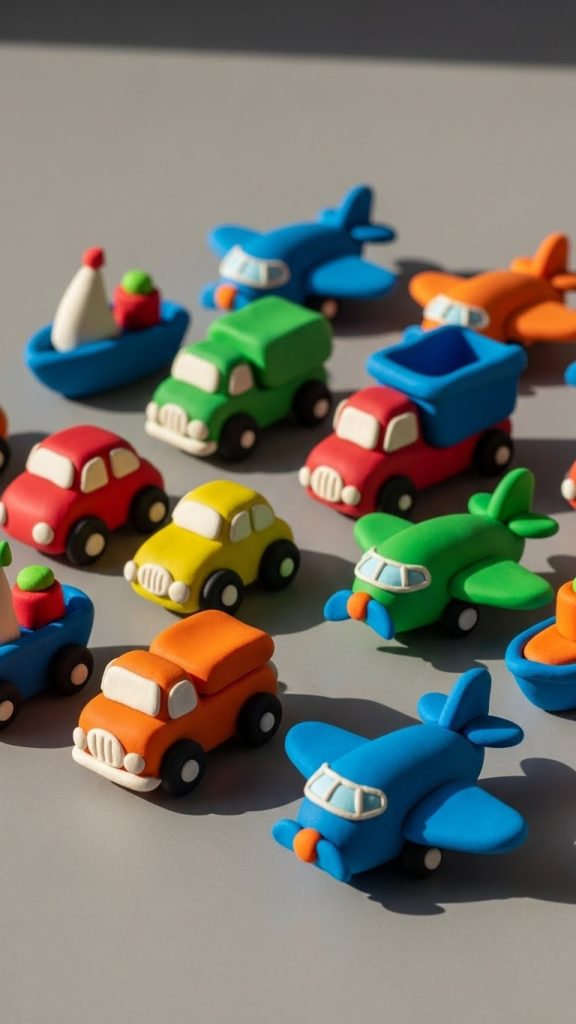
Children love vehicles, and making cars, trucks, airplanes, or boats from playdough is a fantastic way to combine learning with play. This activity introduces concepts like shapes, proportions, and symmetry while strengthening fine motor skills.
Start with basic shapes: cylinders for wheels, rectangles for car bodies, and cones or triangles for airplane noses. Children can mix colors creatively, making imaginative designs rather than realistic ones. Adding small details like windows, headlights, or wings enhances the visual appeal and makes the project more engaging.
This activity also encourages problem-solving, as kids figure out how to attach wheels or keep the vehicle balanced. For extended play, children can create a miniature road or airport scene using different playdough colors for the landscape. Playdough vehicles are a fun, hands-on way to combine creativity, learning, and tactile skill development.
6. Playdough Sea Creatures
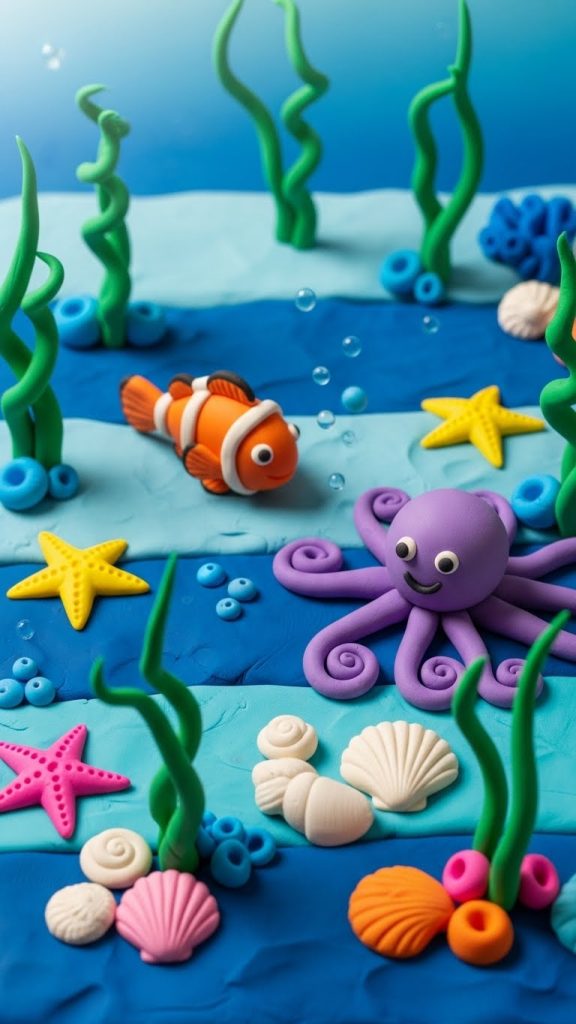
Exploring underwater worlds with playdough is both fun and educational. Children can create fish, starfish, octopuses, and seashells while learning about marine life. This project encourages fine motor skills and stimulates curiosity about nature.
Use brightly colored playdough to make each creature unique. Roll small shapes for bodies and use thin strands for tentacles, fins, or tails. Adding textures with toothpicks can make scales or patterns more realistic. Children can create an entire underwater scene by flattening blue playdough for water and adding green for seaweed.
This activity can be combined with storytelling, where children imagine adventures beneath the sea. It also provides opportunities to teach concepts like counting, colors, and sizes. Playdough sea creatures are a wonderful way to bring learning and creative play together.
7. Playdough Letters and Numbers
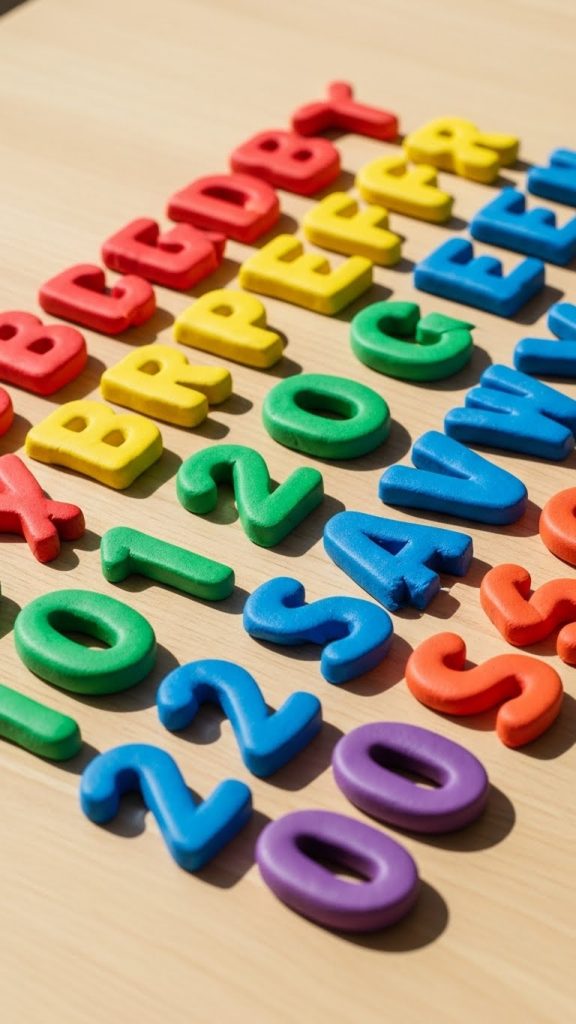
Crafting letters and numbers with playdough is an effective way to make learning interactive and fun. Children can practice the alphabet, spell simple words, and recognize numbers while engaging their sense of touch. This activity strengthens hand-eye coordination and letter recognition.
Start by rolling thin, long pieces of playdough and shaping them into letters or numbers. Younger children can practice basic letters or numbers, while older children can attempt words or small equations. Using different colors for each letter or number adds a visual learning element.
This activity is versatile for home or classroom learning. Teachers can integrate it into spelling games, while parents can use it as a hands-on learning tool. Playdough letters and numbers make education tactile, enjoyable, and memorable.
8. Playdough Jewelry
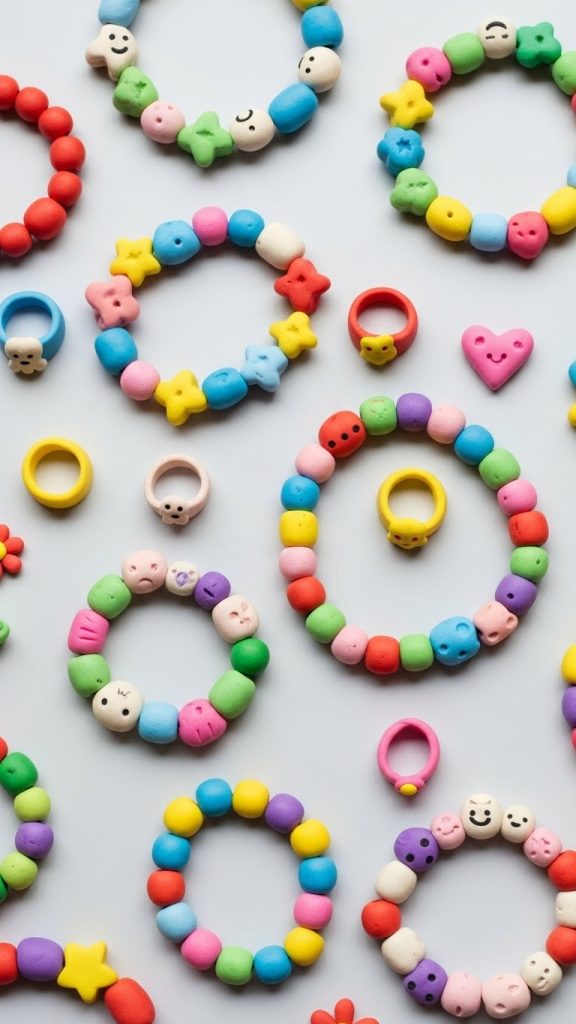
Making pretend jewelry with playdough is an enjoyable way to encourage creativity and fine motor skills. Children can craft beads, necklaces, bracelets, and rings in a variety of shapes and colors. This activity also promotes pattern recognition and sequencing.
Start by rolling small balls for beads and threading them onto a string or a safe stick to make necklaces and bracelets. Flattened shapes can be used for pendants or rings. Using multiple colors allows children to experiment with patterns and combinations.
This activity can also serve as a gift-making project, where children design jewelry for family or friends. It combines tactile play with aesthetic creativity, giving children a sense of accomplishment and pride in their creations. Playdough jewelry is a fun, hands-on way to explore design and craftsmanship.
9. Playdough Fairy Tale Characters
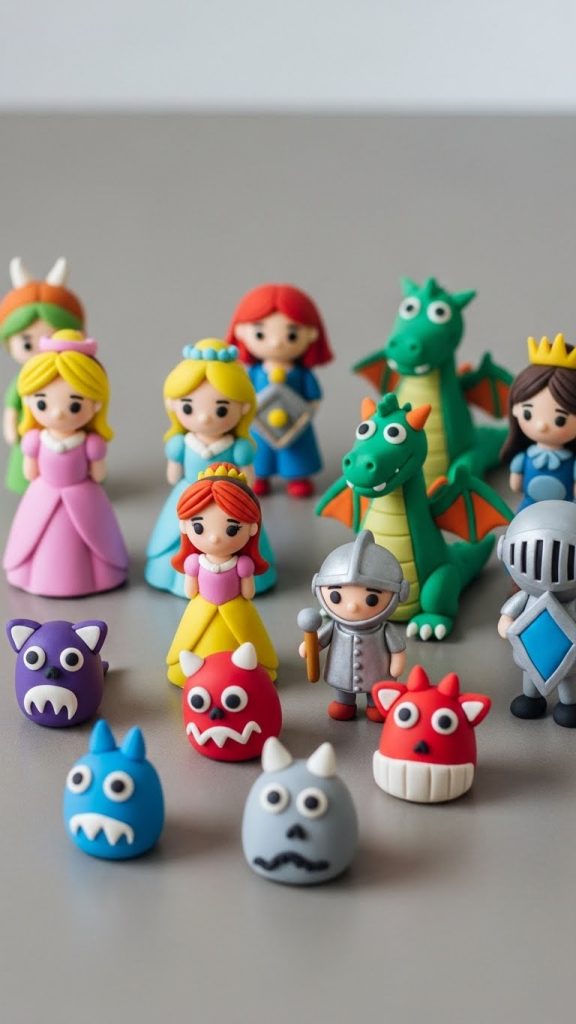
Children enjoy recreating their favorite fairy tale characters using playdough. From princesses to dragons, these figures allow kids to bring stories to life while enhancing their sculpting skills. This activity also encourages imaginative storytelling and role play.
Use small balls, cylinders, and flattened pieces to shape characters. Add details like hair, eyes, and clothing using contrasting colors. Younger children can focus on simple shapes, while older children can create detailed, intricate designs.
This activity works well for collaborative play, as children can act out scenes from fairy tales with their characters. It also encourages literacy skills, as they narrate the stories they recreate. Playdough fairy tale characters combine creativity, imagination, and hands-on fun for hours of engaging play.
10. Playdough Seasonal Decorations
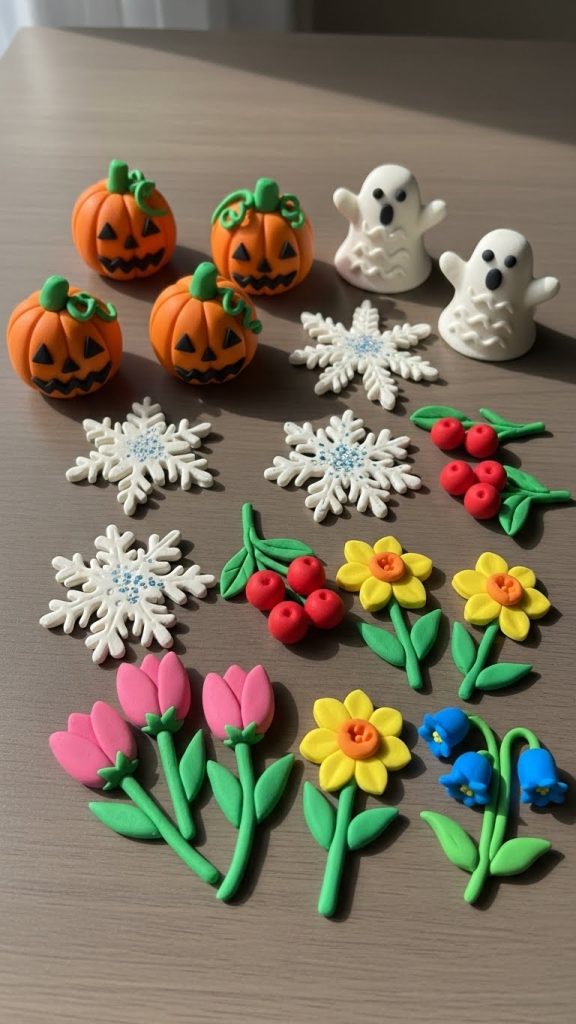
Making seasonal decorations with playdough is a fun way to celebrate holidays and seasons. Children can craft pumpkins for Halloween, snowflakes for winter, or flowers for spring. This activity fosters creativity, fine motor skills, and awareness of seasons and festivities.
Flatten or mold playdough into desired shapes, then add details like patterns or textures using small tools or toothpicks. Bright, contrasting colors make the decorations eye-catching and festive. Children can display their creations around the home or classroom.
This activity also allows for educational discussions about seasons, holidays, and traditions. Combining play with learning, seasonal playdough decorations are a wonderful way for children to express themselves while celebrating special occasions.
Tags: 10 Cute Playdough Ideas
About Me

Chesung Subba
Author/Writer
Hello, I'm Chesung Subba, a passionate writer who loves sharing ideas, stories, and experiences to inspire, inform, and connect with readers through meaningful content.
Follow Me
Connect with me and be part of my social media community.
Leave a Reply