
10 Dining Room Decor

The dining room is more than just a place to eat; it is a space where family gathers, friends socialize, and memorable moments are created. Decorating this space thoughtfully can enhance its atmosphere, making it both functional and aesthetically pleasing. From modern minimalist designs to classic elegance, the options are endless. In this article, we explore ten dining room decor ideas with detailed guidance on materials, preparation, and implementation. Each idea is presented with practical tips to help you achieve the look and feel you desire.
1. Minimalist Modern Dining Room
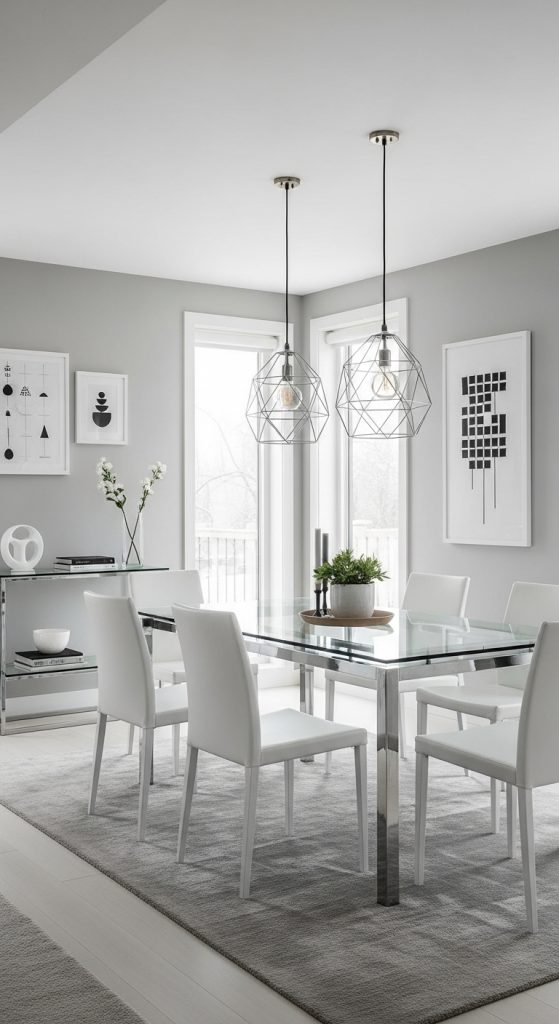
A minimalist modern dining room emphasizes simplicity, clean lines, and a clutter-free environment. Begin by selecting a neutral color palette such as whites, greys, and soft earth tones to create a serene backdrop. Furniture should be streamlined; opt for a rectangular wooden or glass dining table paired with sleek chairs. Metal or matte-finished frames work well to accentuate the modern look.
For preparation, clear the space of unnecessary items to maintain a clean visual line. Materials needed include a modern dining table, chairs with simple designs, a subtle area rug, and minimalist lighting, such as pendant lights with geometric shapes. Add a single statement piece, such as a monochrome wall art or a sculptural vase, to prevent the room from feeling sterile. Incorporate natural light or LED lighting with adjustable brightness to enhance the sense of openness. Minimalist decor relies heavily on balance and proportion, so measure the room carefully to ensure furniture placement optimizes space without overcrowding.
2. Rustic Farmhouse Dining Room
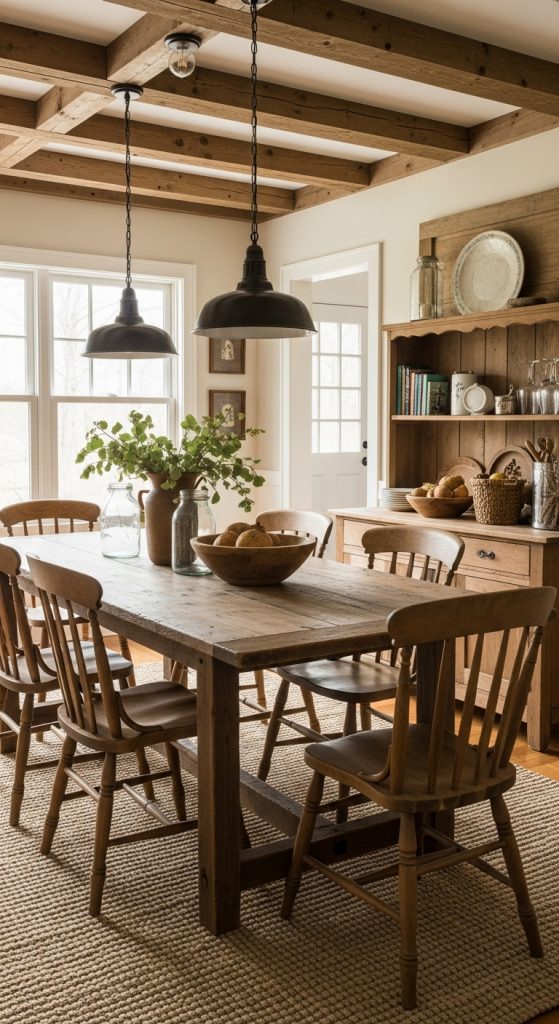
Rustic farmhouse decor combines warmth, natural textures, and a sense of nostalgia. Start by choosing a wooden dining table with a distressed or reclaimed finish. Chairs can be mismatched for charm or uniform in rustic wood tones. To enhance the farmhouse feel, consider exposed wooden beams, a wooden or tiled floor, and vintage-inspired lighting fixtures, such as wrought iron chandeliers.
Preparation includes cleaning the area thoroughly and possibly sanding or finishing wooden furniture to match the rustic aesthetic. Materials include solid wood furniture, natural fiber rugs, linen or cotton seat cushions, and rustic tableware. Decorative accents like mason jar vases, wooden bowls, or vintage wall art complement the farmhouse theme. Integrate greenery through potted plants or a centerpiece of fresh flowers. The goal is to create a space that feels inviting and lived-in, combining practicality with visual warmth. Layering textures through textiles, wood, and metal adds depth to the design.
3. Elegant Classic Dining Room
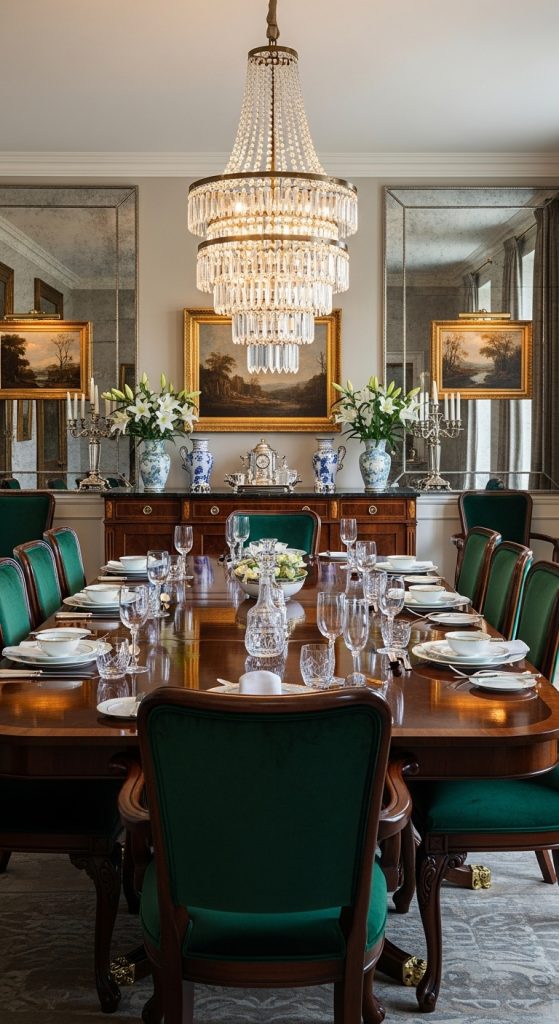
Classic elegance focuses on timeless beauty, symmetry, and refined detailing. A polished wooden dining table with a glossy finish serves as the centerpiece. Pair it with upholstered chairs featuring carved wooden legs and soft fabrics in neutral or jewel tones. Accessories like a grand chandelier, framed artwork, and decorative mirrors enhance sophistication.
Preparation involves measuring your space to maintain proportion and ensuring furniture placement allows for comfortable movement. Materials include high-quality wood furniture, fabric upholstery, polished metal or crystal accents, and classical lighting fixtures. Adding a sideboard or buffet can increase functionality while maintaining elegance. Use table linens, decorative trays, and candleholders to elevate the setting. Classic design thrives on symmetry and balance, so arrange furniture and decor items evenly to achieve a harmonious look. Choosing durable, high-quality materials ensures the room maintains its elegance over time.
4. Industrial Dining Room
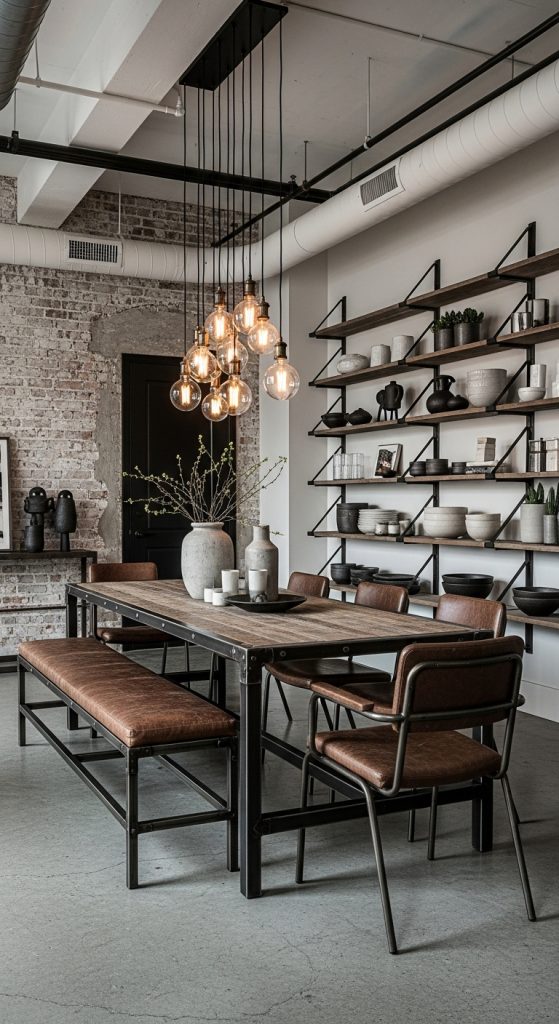
Industrial dining rooms combine raw materials, functional design, and urban style. Exposed brick walls, concrete floors, and metal accents are key features. Opt for a wooden table with a metal frame or a fully metal table with distressed finishes. Chairs can be metal, leather, or a mix of materials to add contrast.
Preparation involves assessing structural elements like walls and floors. You may leave surfaces exposed or add faux finishes to replicate industrial textures. Materials include reclaimed wood, steel, concrete, and vintage lighting fixtures such as cage pendants or Edison bulbs. Incorporate shelves or open storage with metal brackets for utility and visual interest. Industrial decor favors simplicity with a hint of ruggedness; avoid over-accessorizing. Adding greenery, such as a single potted plant, softens the industrial feel. Layered textures from wood, metal, and textiles create depth, while maintaining the raw, unpolished aesthetic.
5. Scandinavian Dining Room
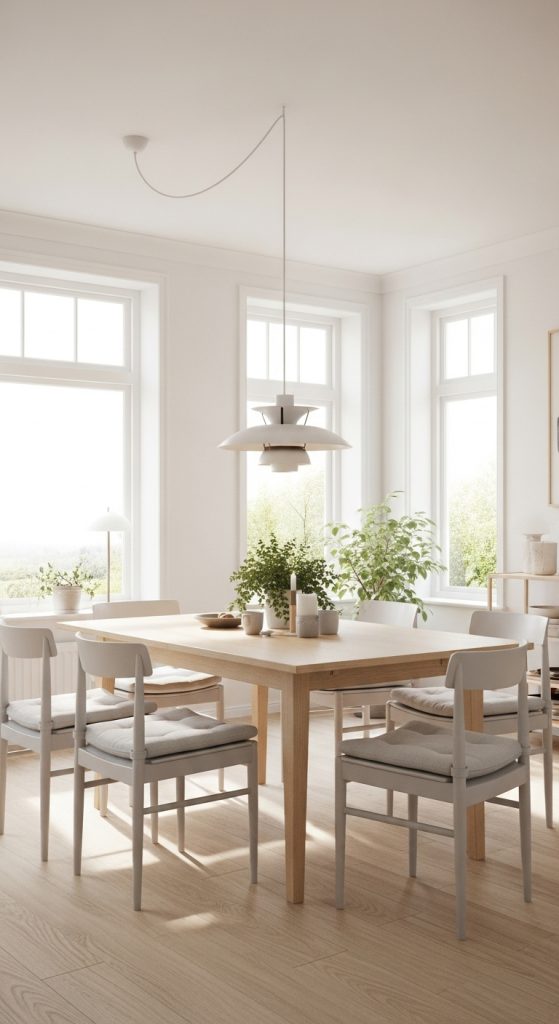
Scandinavian design focuses on functionality, simplicity, and natural light. Use light-colored wooden furniture, clean lines, and soft textiles in neutral tones. A simple dining table paired with chairs in white or muted colors creates a bright, airy atmosphere.
Preparation includes decluttering and maximizing natural light by keeping windows unobstructed. Materials include light wood furniture, wool or cotton rugs, simple pendant lighting, and minimal decorative items like vases or candles. Introduce subtle textures through textiles such as cushions, throws, or woven placemats. Scandinavian design prioritizes functionality, so choose furniture that is both aesthetically pleasing and practical. Incorporate natural elements like plants or a small indoor herb garden on a side table. This style thrives on simplicity, so keep accessories minimal and focus on clean lines and a light color palette.
6. Contemporary Chic Dining Room
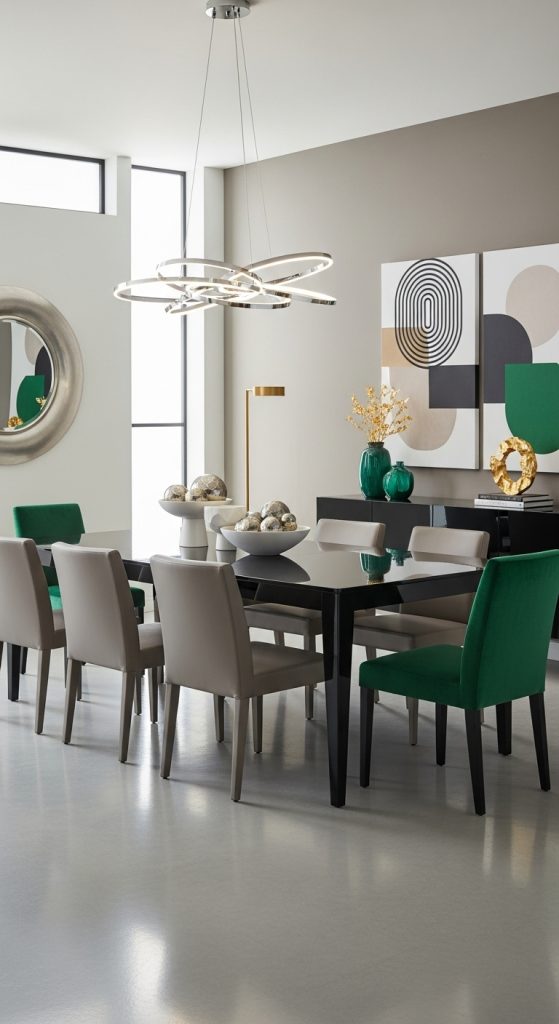
Contemporary chic decor blends current trends with timeless appeal. Choose furniture with sleek, polished surfaces, such as glass or lacquered tables, paired with upholstered chairs in bold or muted colors. Lighting fixtures should be statement pieces like sculptural chandeliers or minimalist pendant lights.
Preparation involves planning a layout that highlights furniture and allows movement. Materials include modern furniture, decorative lighting, metallic accents, rugs, and contemporary wall art. Add a sideboard or console table with minimal accessories for a refined look. Use textures strategically, combining glossy and matte surfaces to create visual interest. Incorporate reflective surfaces such as mirrors or glass to enhance brightness. Contemporary design embraces contrast, so mix materials and colors thoughtfully. Balance is key: avoid overcrowding the space with decor, instead focusing on carefully chosen statement pieces that convey sophistication.
7. Coastal Dining Room
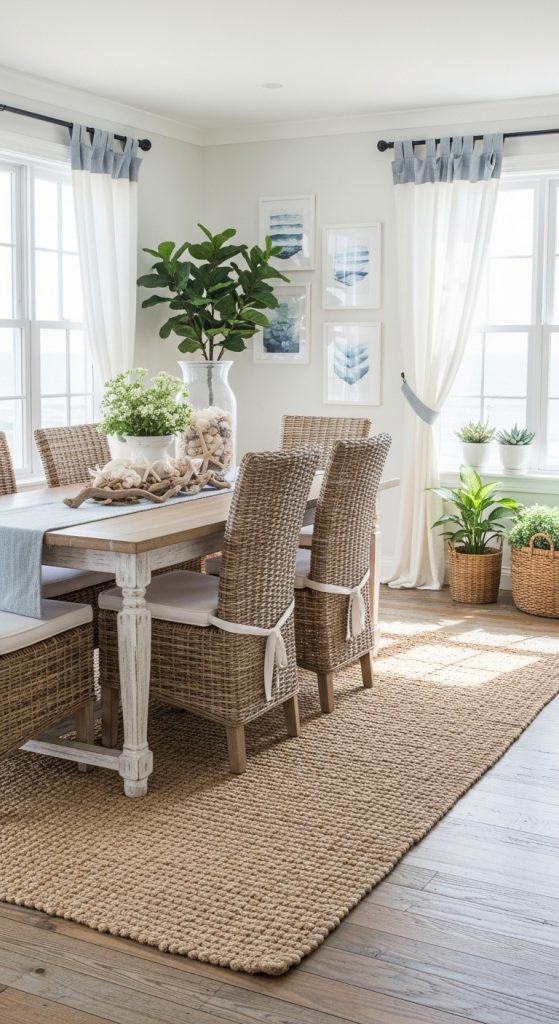
Coastal dining rooms evoke a relaxed, beach-inspired ambiance. Light, airy colors such as whites, blues, and sandy neutrals dominate. Furniture often features light woods or painted finishes in soft shades. Wicker or rattan chairs and natural fiber rugs enhance the seaside feel.
Preparation involves cleaning and brightening the space. Materials include light-colored furniture, wicker or rattan elements, cotton or linen textiles, sea-inspired decor like shells or driftwood, and airy curtains. Wall art depicting coastal landscapes or nautical themes reinforces the style. Use glass or ceramic vases filled with sand or seashells for centerpieces. Coastal design prioritizes comfort and openness; avoid heavy furniture or dark colors. Natural light is essential, so keep windows unobstructed and consider mirrors to reflect light. Layering textures from wood, wicker, and soft fabrics creates a welcoming, serene atmosphere.
8. Vintage Dining Room
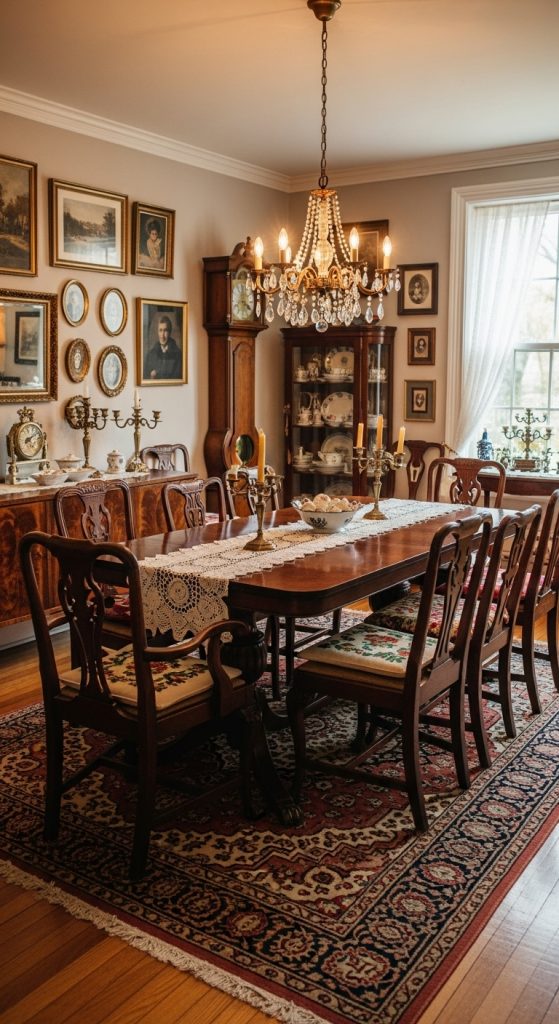
Vintage dining rooms celebrate nostalgic charm through antique furniture, classic patterns, and curated decor. Select a wooden table with carved details and mix-and-match chairs from different eras. Vintage lighting, such as chandeliers with crystal or brass details, completes the look.
Preparation involves sourcing authentic or replica vintage furniture and accessories. Materials include antique tables and chairs, vintage lighting, classic tableware, patterned rugs, and decorative wall art. Display items like vintage clocks, mirrors, or framed photographs to add personality. Incorporate textiles such as lace table runners or embroidered cushions for added detail. Vintage design values storytelling through decor, so each item should have visual or sentimental significance. Pay attention to proportion and scale to maintain a cohesive look, blending old and new pieces carefully.
9. Bohemian Dining Room
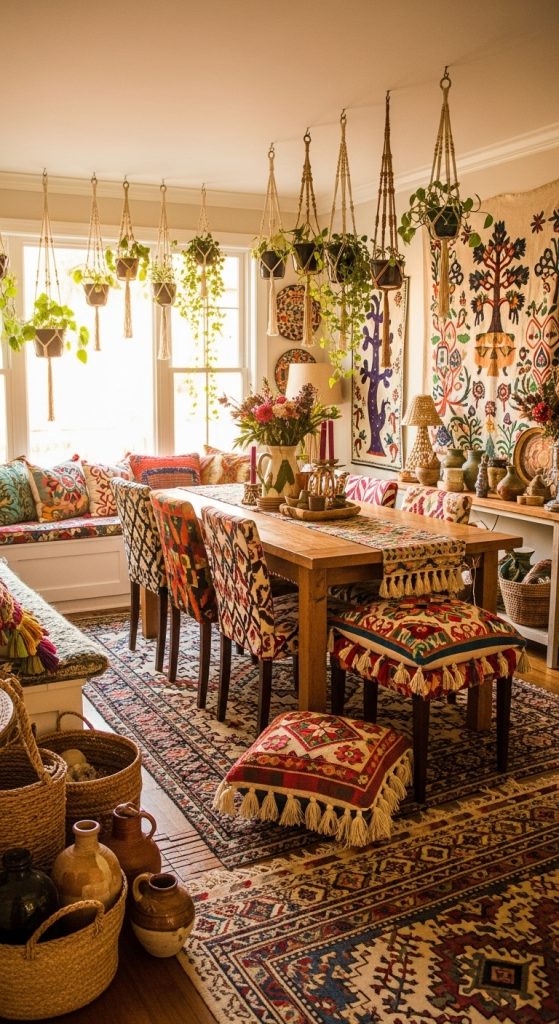
Bohemian style embraces eclectic design, vibrant colors, and layered textures. Choose a wooden table as the base and mix colorful or patterned chairs. Layer rugs, cushions, and table runners with diverse textures and patterns. Decorate walls with artwork, tapestries, or hanging plants.
Preparation involves selecting a focal point and coordinating color schemes to avoid visual chaos. Materials include wooden furniture, colorful textiles, woven baskets, ceramics, and plants. Lighting can include lanterns, pendant lights, or string lights for a cozy atmosphere. Bohemian decor thrives on creativity and personalization; combine vintage, handcrafted, and modern pieces. Layer textures and patterns to create visual depth, while maintaining functionality. Plants play a key role, adding life and freshness. The goal is a relaxed, inviting space that encourages conversation and comfort.
10. Luxury Dining Room
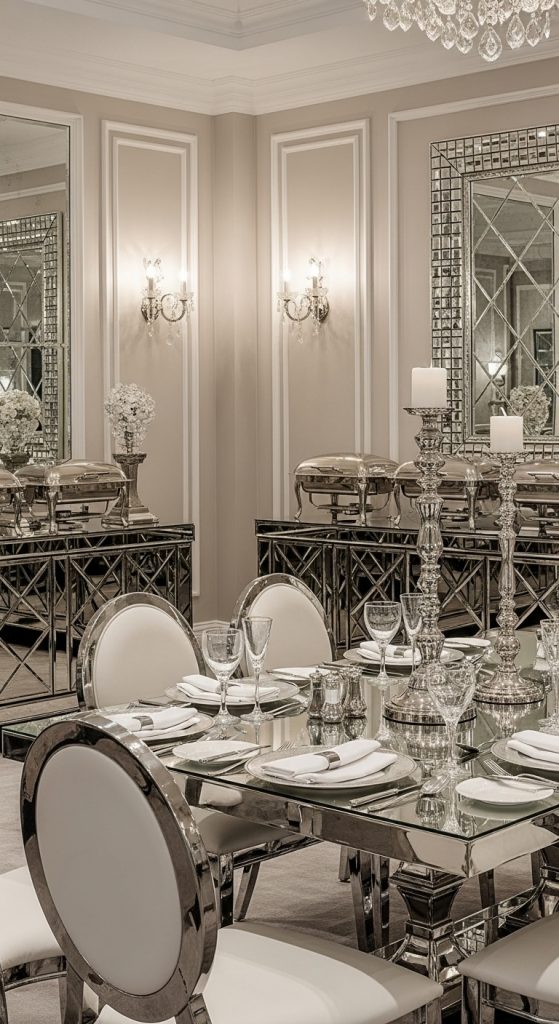
Luxury dining rooms convey opulence through rich materials, sophisticated furniture, and statement decor. Use a large wooden, marble, or glass table with upholstered chairs in velvet or leather. Lighting is a key element, with grand chandeliers or crystal pendants setting the tone.
Preparation involves careful planning of layout and selection of high-quality furniture and accessories. Materials include fine wood, marble, polished metals, crystal, luxurious textiles, and artwork. Add a buffet, sideboard, or display cabinet for functionality and aesthetic appeal. Mirrors or metallic accents enhance brightness and reflectiveness. Use coordinated table settings, decorative trays, and candleholders to amplify luxury. Luxury decor focuses on detail and craftsmanship; every element should contribute to the overall sense of refinement. Balance opulent textures with clean spaces to prevent clutter, creating a sophisticated and inviting dining experience.
Tags: 10 Dining room decor
About Me

Chesung Subba
Author/Writer
Hello, I'm Chesung Subba, a passionate writer who loves sharing ideas, stories, and experiences to inspire, inform, and connect with readers through meaningful content.
Follow Me
Connect with me and be part of my social media community.
Leave a Reply