10 Living Room Remodel Ideas

The living room is the heart of any home, a space where family gathers, guests are entertained, and personal style is expressed. Remodeling this central area can bring a fresh new feel and improve functionality. Whether you want a modern update, cozy ambiance, or a luxurious makeover, these ten living room remodel ideas will inspire your next project. Each idea includes detailed preparation, materials needed, and practical guidance to ensure a successful transformation.
1. Modern Minimalist Makeover
Modern minimalist design emphasizes simplicity, clean lines, and a clutter-free environment. Begin by decluttering your living room, removing unnecessary furniture, decorations, and items that do not serve a functional purpose. Opt for neutral tones like white, gray, or beige for walls and furniture, which create a sense of openness and tranquility. Select furniture with sleek designs and hidden storage solutions to maintain a clean look. Materials such as glass, metal, and light wood work well for tables, shelves, and décor accents. To complete the minimalist style, use simple, geometric lighting fixtures and avoid overly ornate accessories. Before starting, measure the space and plan a layout that maximizes flow and usability. Minimalist living rooms rely on strategic use of space, so every element must serve both aesthetic and functional purposes.

2. Cozy Farmhouse Style
A farmhouse living room remodel focuses on warmth, comfort, and rustic charm. Begin by selecting warm, earthy colors such as cream, soft brown, and muted greens for walls and textiles. Incorporate natural materials like reclaimed wood for coffee tables, shelves, and accent walls. Linen or cotton slipcovered sofas, along with plush rugs, create an inviting and lived-in feel. Decorative elements such as vintage frames, baskets, and ceramic vases enhance the farmhouse aesthetic. Ensure proper lighting with a combination of natural light, table lamps, and rustic chandeliers. Preparation involves cleaning the space thoroughly and identifying focal points such as a fireplace or central seating area. Farmhouse design balances functional storage with charming decorative touches, creating a welcoming environment for family and guests. Use DIY techniques for accent walls or distressed furniture for authenticity.

3. Scandinavian Inspired Space
Scandinavian design blends simplicity, functionality, and natural elements. Start with a light and neutral color palette such as whites, soft grays, and pastel shades, which brighten the room and make it feel larger. Use wooden flooring or laminate with a natural finish, complemented by minimalist furniture featuring clean lines. Incorporate textiles like wool throws, cozy cushions, and rugs to add warmth. Prepare the room by maximizing natural light and decluttering surfaces. Add indoor plants to bring in a touch of nature. Key materials include light woods, cotton, and linen. Functional furniture pieces with storage solutions help maintain the minimalist aesthetic. Scandinavian design also emphasizes cozy corners, such as reading nooks, making the living room both practical and inviting. Keep accessories simple, with a few statement pieces rather than cluttering the space.

4. Open Concept Layout
An open concept remodel involves removing walls or barriers to create a larger, continuous living space. Before starting, consult a structural engineer to ensure the wall is not load-bearing. The goal is to connect the living room with dining areas or kitchens while maintaining clear zones for activities. Materials include reinforced beams if needed, smooth flooring such as hardwood or tiles, and cohesive color schemes to unify the space. Furniture placement should define functional areas without blocking flow. Include modular or multi-functional furniture to adapt the space for different uses. Proper lighting is critical, combining overhead fixtures, floor lamps, and task lighting. Preparation involves careful planning of layout, storage, and traffic patterns. Open concept living rooms enhance social interaction and create a sense of spaciousness, making them ideal for modern homes.

5. Industrial Chic Transformation
Industrial style combines raw, unfinished materials with modern elegance. Begin by exposing brick walls, concrete floors, or metal beams if possible, or use faux panels for a similar effect. Use furniture with metal frames, distressed wood, and leather upholstery. Neutral colors with occasional dark accents enhance the industrial look. Lighting fixtures should feature metal finishes and an industrial aesthetic, such as pendant lights with exposed bulbs. Prepare the space by cleaning surfaces and removing elements that clash with the industrial vibe. Incorporate open shelving for storage and display, emphasizing utilitarian design. Rugs and textiles soften the rough edges, balancing comfort with raw aesthetics. Materials like steel, reclaimed wood, and concrete are key. Industrial design works well in lofts or urban apartments, offering a bold and stylish remodel option.

6. Luxury Living Room Upgrade
For a high-end living room, focus on elegance, sophistication, and premium finishes. Begin with a neutral base color palette for walls and flooring and layer with rich textures such as velvet, silk, and leather for furniture and drapery. Incorporate statement furniture pieces, such as a designer sofa or accent chair, and a central coffee table in marble, glass, or polished wood. Lighting should be layered, combining chandeliers, recessed lighting, and accent lights to highlight décor. Prepare the room by assessing wall and floor conditions and ensuring structural soundness for heavy furniture. Add decorative elements like framed artwork, sculptures, or mirrors to elevate style. Consider built-in storage to maintain a tidy appearance. Luxury remodels focus on quality materials, meticulous detailing, and a cohesive design that exudes sophistication while remaining functional.

7. Mid-Century Modern Revival
Mid-century modern design emphasizes clean lines, organic forms, and functional furniture. Start by selecting furniture with tapered legs, low profiles, and wood finishes. Choose a muted color palette with pops of bold colors in cushions or décor items. Flooring can be hardwood or laminate in natural tones. Prepare the living room by clearing out non-essential furniture and planning a layout that highlights the furniture’s design. Use geometric patterns in rugs, artwork, and lighting fixtures to complement the style. Incorporate storage solutions that maintain a minimalist aesthetic while keeping surfaces clean. Materials like teak, walnut, and leather are common. Mid-century modern living rooms balance aesthetics and function, offering a timeless appeal that remains stylish across decades.

8. Coastal Style Retreat
Coastal living rooms evoke relaxation and freshness, inspired by beaches and oceans. Begin with a color palette dominated by whites, blues, and sandy neutrals. Incorporate natural textures such as jute rugs, wicker furniture, and linen curtains. Large windows or sheer drapes maximize natural light. Prepare the space by clearing clutter and arranging furniture to face focal points like windows or fireplaces. Add accents like seashell décor, nautical-inspired artwork, and ocean-themed textiles. Materials like light wood, rattan, and glass enhance the coastal vibe. Proper lighting, including soft lamps and pendant lights, creates a breezy ambiance. Coastal living rooms focus on comfort and casual elegance, making them ideal for those seeking a serene, vacation-like atmosphere within their home.

9. Multi-Functional Space
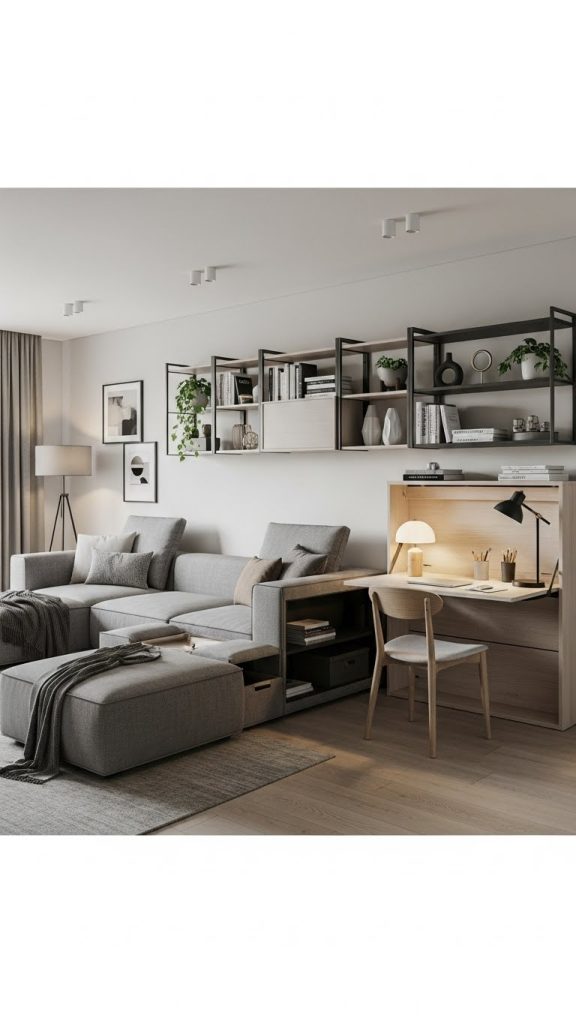
Modern living rooms often serve multiple purposes, combining lounging, working, and entertainment. Start by planning the room layout to accommodate various activities without overcrowding. Use modular furniture, such as sectional sofas with storage, foldable desks, or movable tables. Incorporate smart storage solutions, including shelves, cabinets, and baskets, to maintain organization. Materials like durable fabrics, hardwood, and metal ensure furniture longevity. Prepare the room by removing unnecessary items and defining zones for work, relaxation, and entertainment. Lighting should be layered for task and ambient purposes. Consider adding a media wall for television and storage or a hidden desk area for remote work. Multi-functional living rooms maximize utility and comfort, especially for small spaces or family homes with dynamic needs.
10. Bold Accent Wall Design
A bold accent wall instantly transforms a living room, adding character and focal interest. Begin by selecting one wall to highlight using paint, wallpaper, or textured materials like stone or wood panels. Choose a color or pattern that complements the existing décor while standing out. Prepare the wall by cleaning, patching holes, and applying primer. Paint or install materials carefully to achieve a professional finish. Balance the bold wall with neutral furniture and accessories, ensuring it remains the central visual feature. Materials may include high-quality paint, textured panels, or wallpaper with unique patterns. Lighting enhances the accent wall, highlighting textures and colors. This approach allows for creativity, personalization, and a dramatic impact without a full-scale remodel.

About Me

Chesung Subba
Author/Writer
Hello, I'm Chesung Subba, a passionate writer who loves sharing ideas, stories, and experiences to inspire, inform, and connect with readers through meaningful content.
Follow Me
Connect with me and be part of my social media community.
Leave a Reply