10 Warm neutral wall styling

Creating a warm neutral interior is one of the most reliable ways to bring harmony, comfort, and timeless elegance into any living space. Walls contribute greatly to how a room feels because they surround the eye at every moment. When styled with warm neutral tones, textures, and thoughtful decor choices, they can completely transform a home into a peaceful environment. Warm neutral walls are ideal for people who appreciate calm aesthetics, minimal tones, soft material touches, and designs that feel welcoming but sophisticated. Neutrals are easy to pair with furniture, crafts, artwork, and seasonal decor, making them a flexible choice for both small and large spaces. This blog presents ten warm neutral wall styling methods. Each idea includes a full explanation, preparation steps, materials required, and practical suggestions on how to achieve a cohesive visual effect. These ideas work in bedrooms, living rooms, entryways, craft spaces, or home offices where you want an atmosphere that feels balanced and thoughtfully arranged. Whether you enjoy do it yourself projects, home decoration, or simply want to enhance your wall design skills, these ten styling concepts will offer you clear direction and dependable results.
1. Textured Neutral Paint Finish
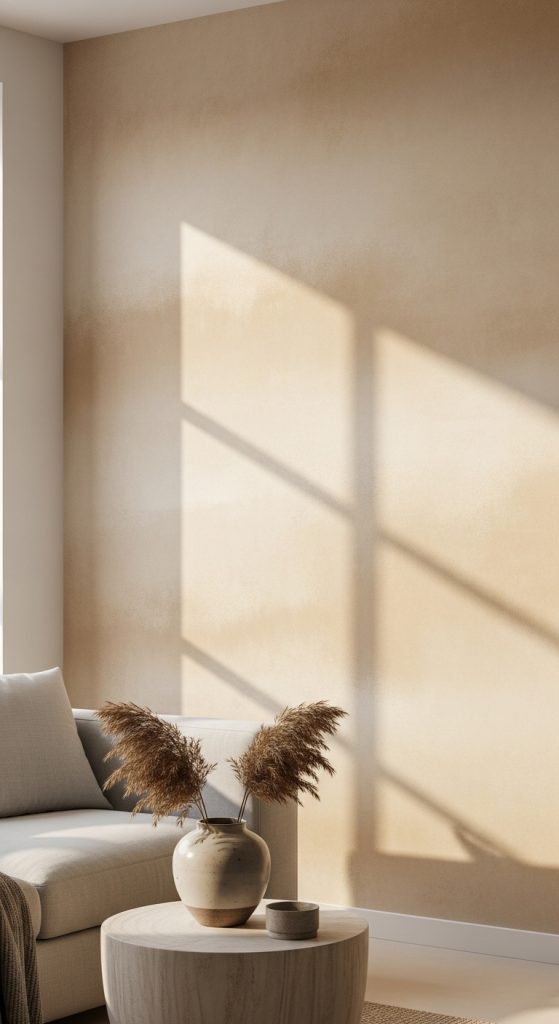
A textured neutral paint finish is a great way to add character to walls without using bold colors or complicated patterns. Warm neutral textures bring depth and softness to a room. The visual variation helps reflect natural light in gentle ways, giving the space a cozy feel. Examples of wall textures include brushed plaster, lime wash finishes, stucco, soft matte, or a layered sponge technique. These approaches work especially well in living rooms or bedrooms where soft ambiance matters. To prepare, you should first clean the wall surface thoroughly and patch any uneven areas with filler. Once the wall is smooth and dry, apply a primer that matches the final warm tone you will use. Materials you may need include paint rollers, a sponge, textured brushes, lime wash paint or matte neutral paint, painter tape, protective sheets, and fine sandpaper for touch ups. The layering technique is what creates the warm effect. You apply the base color, allow it to dry, then gently brush or dab on the second color in irregular strokes to achieve organic variation. The final result should look natural rather than perfect. A textured neutral wall pairs well with wooden furniture, woven items, soft fabrics, and minimal decor pieces. It sets a warm foundation for any interior style.
2. Warm Neutral Panel Molding
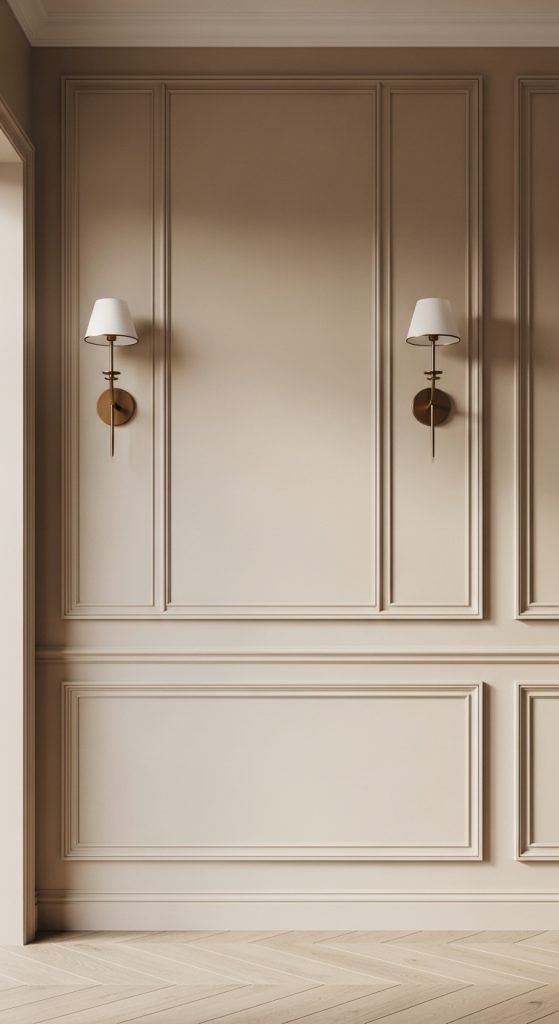
Panel molding is one of the most effective ways to elevate wall styling while keeping the overall look soft and refined. When painted in warm neutral shades such as taupe, cream, beige, light camel, or muted sand, molding brings architectural interest without overwhelming other elements in the room. It works especially well in bedrooms, hallways, and formal living spaces. To prepare for this project, measure your wall carefully and decide the type of molding layout you want, such as box panels, rectangular frames, or vertical sections that visually heighten the room. The materials needed include wood or PVC molding strips, a hand saw or miter saw, adhesive glue, finishing nails, caulking material, filler, sandpaper, primer, and warm neutral paint. Begin by marking your design on the wall using a pencil and level tool. Cut the molding pieces precisely so that the corners meet cleanly. Attach them to the wall using adhesive and secure them with light nails. After everything is fixed, fill any small gaps with caulk and sand the edges smoothly. When dry, apply primer and then two coats of warm neutral paint. This creates a cohesive look that blends seamlessly into the wall surface. The final effect is subtle elegance with depth and dimension.
3. Natural Wood Accent Wall in Soft Neutral Stain
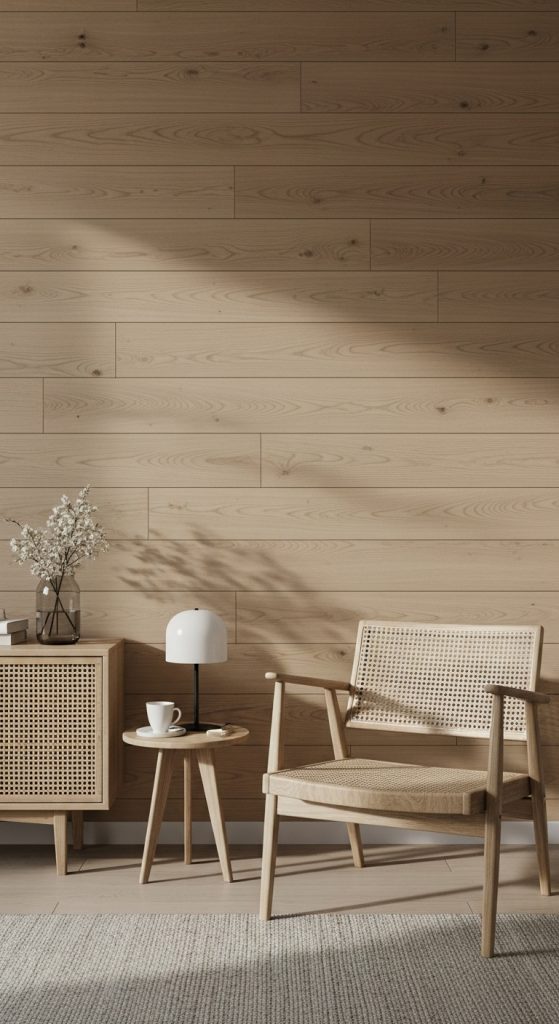
A natural wood accent wall introduces warmth, texture, and organic beauty into a space. Instead of bold rustic colors or dark stains, using a soft neutral stain like pale oak, sand brown, or washed beige keeps the atmosphere calm and modern. This type of wall design is especially suitable for minimal interiors, Scandinavian inspired rooms, and cozy craft corners. Preparation involves selecting the right type of wood panels such as shiplap, tongue and groove planks, or smooth plywood sheets. Inspect each piece to ensure there are no cracks or warping. Materials required include wood planks, nails or screws, a drill, wood glue, level tool, sandpaper, a neutral stain, brushes, and a protective clear coat. Before installation, sand the boards lightly to achieve a smooth finish. Start attaching them to the wall from either the top or bottom, maintaining equal spacing. Once installed, apply the warm neutral stain evenly, wiping off excess liquid to reveal the natural grain. The final protective layer adds durability and keeps the wood color consistent. This wall style works well behind sofas, beds, and reading chairs. It pairs harmoniously with cotton fabrics, plants, woven baskets, and simple wall decor. The warm tone of natural wood enhances the feeling of comfort in any space.
4. Neutral Fabric Wall Hangings
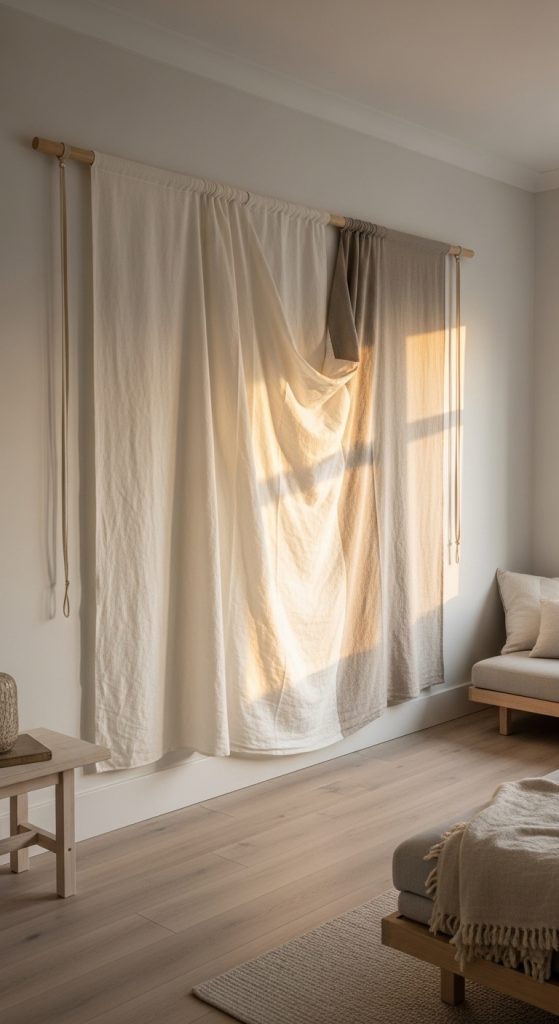
Fabric wall hangings provide a soft visual effect and bring a handcrafted feeling to warm neutral interiors. They can be made from linen, cotton, wool, woven yarn, macrame, or layered muslin fabrics. Their gentle folds, threads, and textures add movement and softness to walls without requiring strong color accents. For preparation, choose a neutral palette that includes cream, soft tan, muted ivory, or warm taupe. The materials needed are fabric lengths, a wooden dowel rod, scissors, hooks, a measuring tape, and iron or steamer for smoothing the fabric. Begin by cutting the fabric to your desired size. You can keep it rectangular for a structured look or allow raw edges for an organic and relaxed result. If using macrame or woven yarn designs, plan your pattern ahead and secure knots or loops carefully. Attach the finished fabric to the dowel and secure the dowel onto hooks installed on the wall. This approach works well above console tables, beds, or small craft corners that require a gentle decorative touch. The neutral fabric will absorb light softly and make the room feel calmer. Fabric wall hangings pair beautifully with wooden furniture, handcrafted pieces, and neutral ceramics, completing the warm, cozy setting.
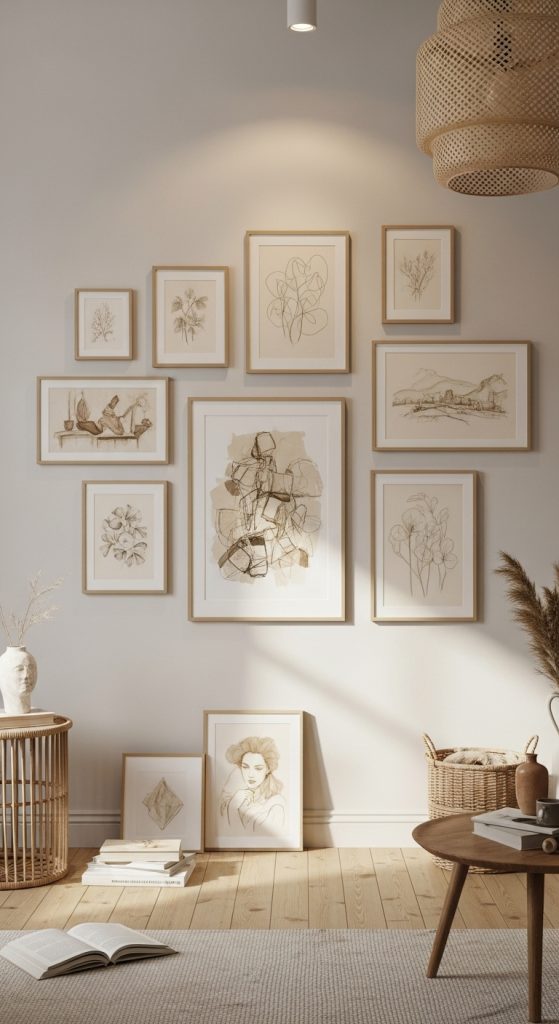
5. Warm Neutral Gallery Wall
A warm neutral gallery wall creates a curated art display without using bold colors or modern neon tones. It focuses on artwork, sketches, pressed flowers, minimalist prints, or sepia toned photos that stay within the warm neutral spectrum. This ensures the wall looks cohesive rather than crowded. To prepare, select art pieces that complement each other in tone and style. Materials required include picture frames in wood, matte beige, soft white, or gold toned finishes. You will also need measuring tape, nails or hooks, level tool, and craft paper for planning the layout. Begin by arranging the frames on the floor until you find a balanced composition. Trace each frame onto craft paper and tape these templates onto the wall to visualize spacing and position. Once satisfied, start attaching the frames one by one. The warm neutral theme makes this gallery gentle on the eyes and easy to integrate into any room. It works beautifully in hallways, living rooms, home offices, and reading areas. The effect is subtle but personal, giving the wall both style and meaning. The neutral palette ensures the display does not overpower the space and remains timeless.
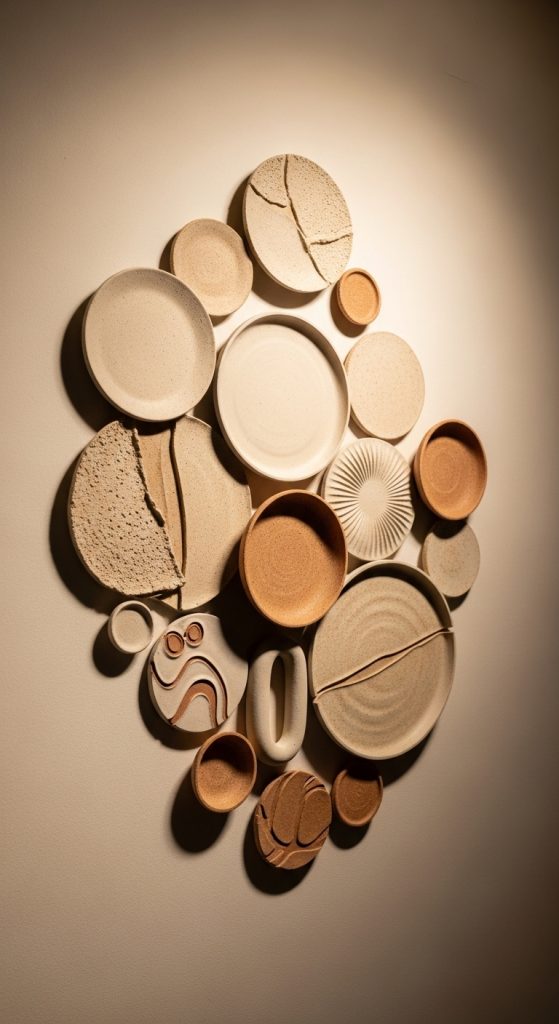
6. Clay and Ceramic Wall Decor
Clay and ceramic decor items offer a handmade charm that works perfectly in warm neutral interiors. Items such as ceramic plates, clay wall medallions, handcrafted tiles, or sculpted wall art bring organic texture and warmth. Their earthy tones such as sand beige, soft terracotta, warm cream, or pale brown blend naturally into neutral walls. Preparation begins with selecting lightweight pieces suitable for hanging. If you plan to create your own clay decor, you will need air dry clay, sculpting tools, rolling pins, molds, sanding sponges, and a warm neutral paint or glaze. Shape your designs and allow them to dry completely before sanding and painting. For installation, use adhesive hooks, nails, or plate hangers depending on the weight. Arrange the pieces in a cluster layout or in a linear form depending on the style you want. Clay decor adds a handcrafted feel that complements other natural materials in a room such as wood, linen, or stone. It enhances the warmth of the space and provides a unique visual detail. This idea works especially well in entryways, kitchens, craft rooms, or above consoles where small pieces can be highlighted.
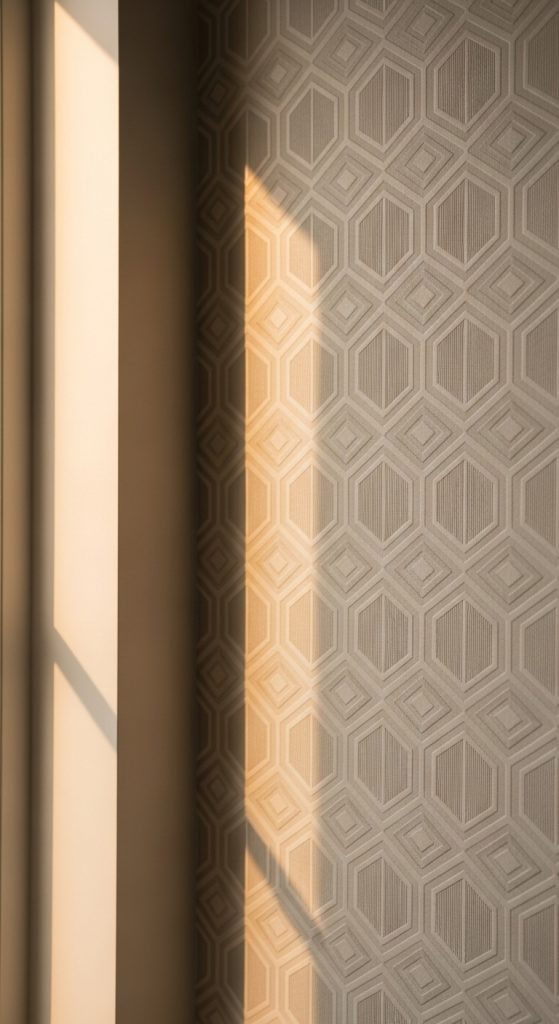
7. Neutral Patterned Wallpaper
Neutral patterned wallpaper offers a way to add visual interest while maintaining a calm palette. Patterns in warm tones like beige, cream, sand, or muted ochre help the walls appear soft but detailed. Subtle patterns such as thin stripes, delicate florals, watercolor textures, or geometric lines work well in minimal spaces. Preparation begins by measuring each wall section carefully and ensuring the surface is smooth, clean, and dry. The materials you need include wallpaper rolls, adhesive paste, smoothing tools, scissors, a sponge, and a trimming knife. Cut the wallpaper into sections that match the height of the wall, leaving a little excess at the top and bottom. Apply adhesive evenly and press the wallpaper onto the wall, smoothing out air bubbles and aligning patterns precisely. This type of wall styling suits bedrooms, dining areas, and cozy corners where soft visual texture enhances the atmosphere. The warm neutral palette makes the design gentle and timeless. It pairs well with neutral fabrics, warm wooden furniture, and simple lighting fixtures. Wallpaper also provides a polished and professional look with minimal effort.
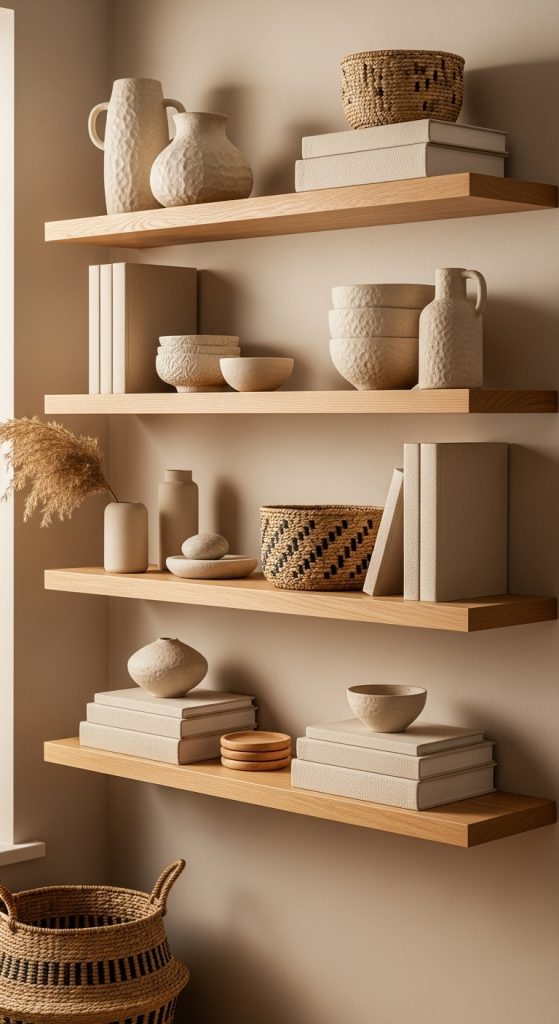
8. Floating Wood Shelves With Neutral Decor
Floating shelves allow you to combine storage with decoration, making them one of the most versatile warm neutral wall styling options. When made of warm toned wood such as oak or maple, the shelves themselves contribute warmth to the room. Preparing this design involves selecting shelves that match the scale of your wall. Materials needed include wooden shelves, metal brackets or invisible mounts, screws, a drill, level tool, and anchors for stability. Begin by marking the placement of each shelf and drill holes for mounting. Install the brackets securely and ensure they are level before attaching the wooden shelves. Once installed, style the shelves with neutral decor pieces such as beige ceramics, woven baskets, soft toned books, natural fiber items, muted candles, or small plants in neutral planters. The goal is to maintain a calm color palette to keep the shelves cohesive. Floating shelves work well on large empty walls that need structure or above desks and sofas where extra organization is helpful. The combination of wood texture and neutral accessories results in a warm, balanced appearance that suits any home.
9. Large Neutral Art Canvas
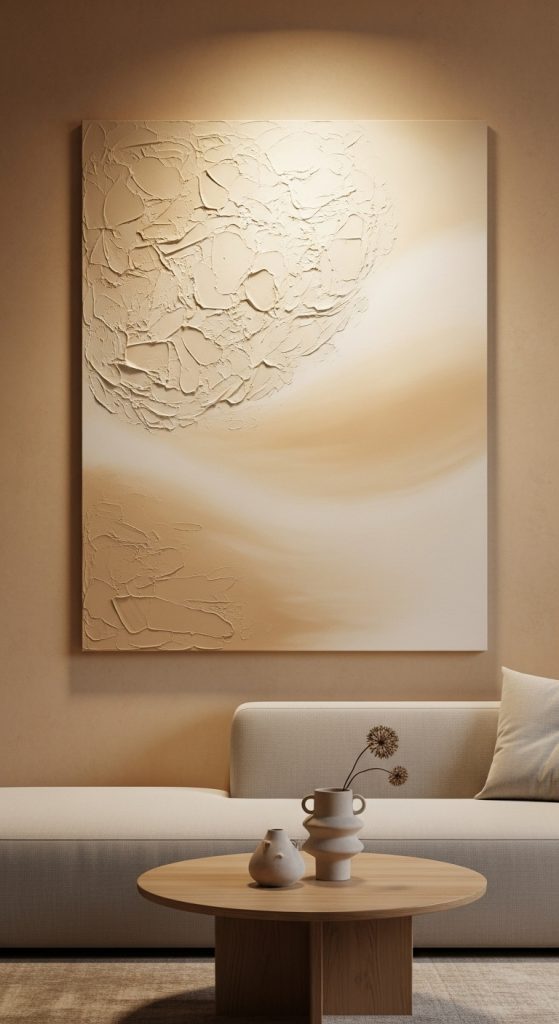
A large neutral art canvas is an excellent focal point for warm interior design. Rather than vibrant colors, it uses soft brushstrokes, warm toned gradients, abstract shapes, or textured surfaces in shades of cream, warm brown, or sand beige. This type of artwork adds sophistication and spaciousness because large pieces often make the room feel more curated. To prepare, choose either a premade canvas or create your own. Materials needed for a do it yourself approach include a stretched canvas, matte neutral paints, palette knives, textured paste, paint brushes, and protective varnish. Begin by priming the canvas if needed. Use broad strokes or layered textures to build depth. Neutral abstract art does not require detailed drawing. Instead, focus on movement, soft transitions, and natural forms. Once the painting is complete, allow it to dry fully before sealing with a thin varnish. Hang the canvas using hooks or brackets that can support its size and weight. This type of wall styling works well above sofas, beds, large sideboards, or entryway walls. Its simplicity and warm neutral palette make it a timeless piece that stabilizes the overall design of the room.
10. Wall Mounted Woven Baskets
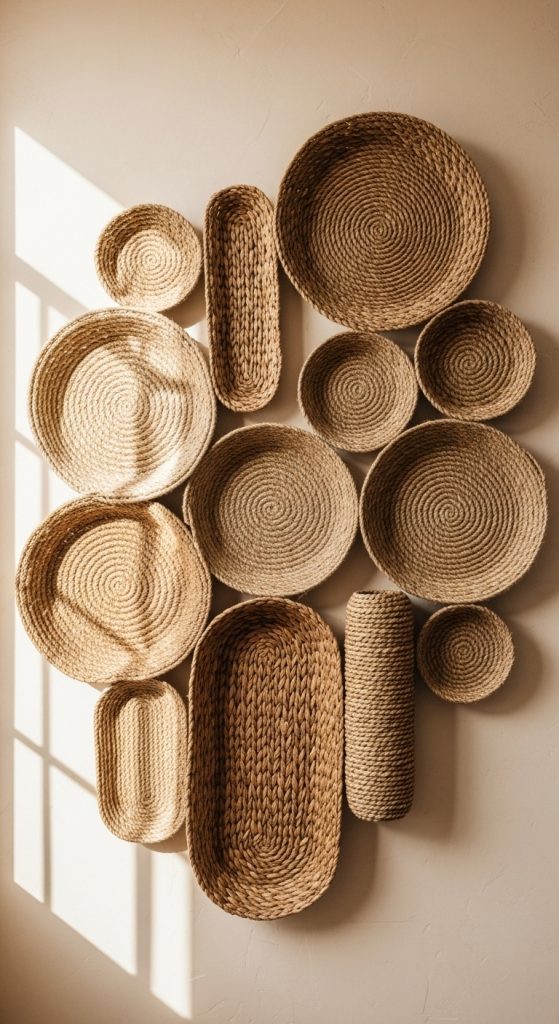
Woven baskets are an ideal way to add natural texture to warm neutral wall styling. They introduce patterns created by handmade weaving techniques and materials like jute, rattan, seagrass, or straw. Their warm tones and organic look pair beautifully with neutral interiors. This styling method is especially popular in bohemian, coastal, or minimal earthy design themes. Preparation involves choosing baskets of different sizes that match your wall scale. You may need small nails, adhesive hooks, or basket hangers depending on how you want to arrange them. Plan your layout by placing the baskets on the floor first. You can create a circular cluster, a vertical line, or an asymmetrical arrangement depending on what fits your wall. Use hooks or nails to attach each basket securely. The woven texture adds warmth and personality without using bold colors. This style works well on blank walls in living rooms, dining areas, hallways, or craft spaces. Woven basket arrangements pair perfectly with wooden furniture, cotton fabrics, and other natural materials. They bring a relaxed handcrafted feeling that completes the warm neutral theme of the room.
About Me

Chesung Subba
Author/Writer
Hello, I'm Chesung Subba, a passionate writer who loves sharing ideas, stories, and experiences to inspire, inform, and connect with readers through meaningful content.
Follow Me
Connect with me and be part of my social media community.
Leave a Reply