10 Diy small room cozy makeover

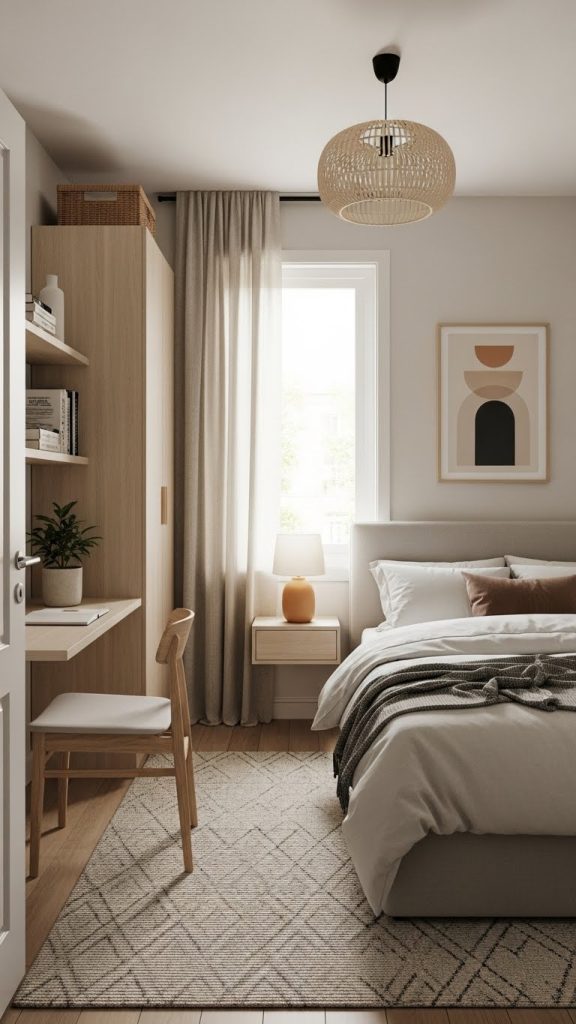
Small rooms often feel cramped, cluttered, or visually overwhelming, but with thoughtful planning and simple DIY techniques, they can be transformed into warm, inviting, and well designed spaces. A cozy atmosphere does not require a large budget or professional interior design skills. Instead, it depends on smart use of color, lighting, textures, layout, and personalized touches. This guide provides ten deeply detailed DIY makeover ideas specifically created for small rooms. Each idea explains materials, preparation steps, and clear methods so you can transform your room comfortably and confidently.
1. Soft Neutral Wall Repainting for Calm and Space
A fresh coat of paint is one of the most impactful DIY changes you can bring to a small room. Soft neutrals such as beige, off white, warm cream, sand, and muted taupe help open up visual space. These tones reflect light naturally, reduce harsh shadows, and create a gentle backdrop that makes the room feel bigger and more peaceful. Before starting, gather basic tools such as paint rollers, painter tape, sanding sponge, primer, drop cloth, and a stir stick. Begin by clearing or covering furniture, cleaning the walls, and filling any nail holes. Lightly sand glossy surfaces to help new paint adhere. Apply a primer if the existing wall is dark or stained. Use long upward strokes to maintain a clean finish. Two coats are usually enough for an even color. This simple DIY update changes the room instantly by brightening the surroundings and giving it a natural calm. The key to a cozy small room is creating an atmosphere that encourages slow living, and muted wall colors are the perfect foundation for this. They allow the rest of your decor, fabrics, and accessories to stand out subtly without overwhelming the space.

2. Hanging Floating Shelves for Space Saving Storage
Small rooms often struggle with clutter because of limited floor space. Installing floating shelves is an ideal DIY upgrade that provides vertical storage without making the room feel crowded. Floating shelves can hold books, small plants, candles, framed photos, or organizational baskets. The materials you will need include wooden boards, wall brackets or invisible shelf supports, screws, anchors, a drill, a level, sandpaper, and paint or wood stain. Before installation, measure your wall area carefully to ensure the shelves do not sit too close to windows or door frames. Sand and finish the wood in your preferred tone, keeping in mind that light or medium hues help maintain a cozy aesthetic. When mounting, always use a level to keep shelves perfectly straight, which enhances the clean and airy effect. Properly installed floating shelves create a sense of openness while still providing functional storage. They also draw the eye upward, making the room feel taller. You can style them with soft decor items that compliment a cozy environment, such as warm toned candles, woven baskets, or small framed art. Floating shelves show how simple DIY techniques can solve storage challenges while increasing the beauty of compact spaces.
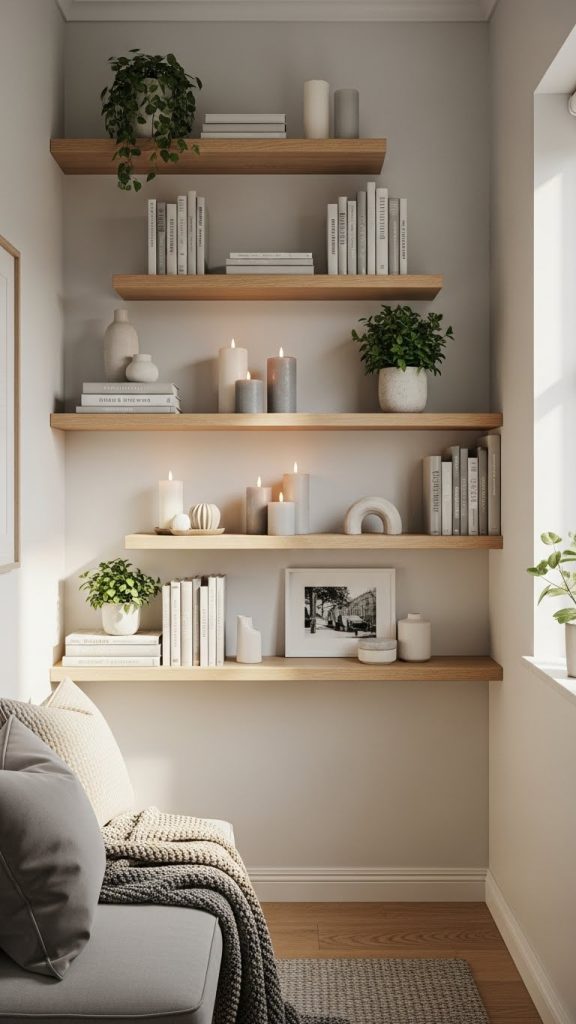
3. DIY Soft Lighting with Warm Lamps and Fairy Lights
Good lighting forms the heart of a cozy small room. Harsh overhead fixtures create glare and make rooms feel boxed in. By integrating warm lamps, fairy lights, lanterns, and soft LED strips, you can bring a gentle glow that transforms the entire mood. Materials include plug in lamps, adhesive LED strips, battery powered fairy lights, extension cords, command hooks, cable clips, and warm white bulbs. Start by identifying dark corners and blank wall areas where soft lighting could add comfort. Choose warm white bulbs between 2700 and 3000 Kelvin for a relaxing ambiance. You can place a small table lamp on a bedside table, a floor lamp behind a chair, or hang fairy lights along a wall to act as a decorative feature. LED strips under a floating shelf or bed frame create a modern cozy effect. Make sure to hide visible wires using clips or cord covers to keep the room looking tidy. This lighting strategy highlights textures, enhances wall colors, and helps divide the room into more intimate zones. With small rooms, lighting controls emotion and perception more than furniture. Soft lighting instantly warms the room and brings a comforting glow suitable for reading, relaxing, or winding down after a long day.
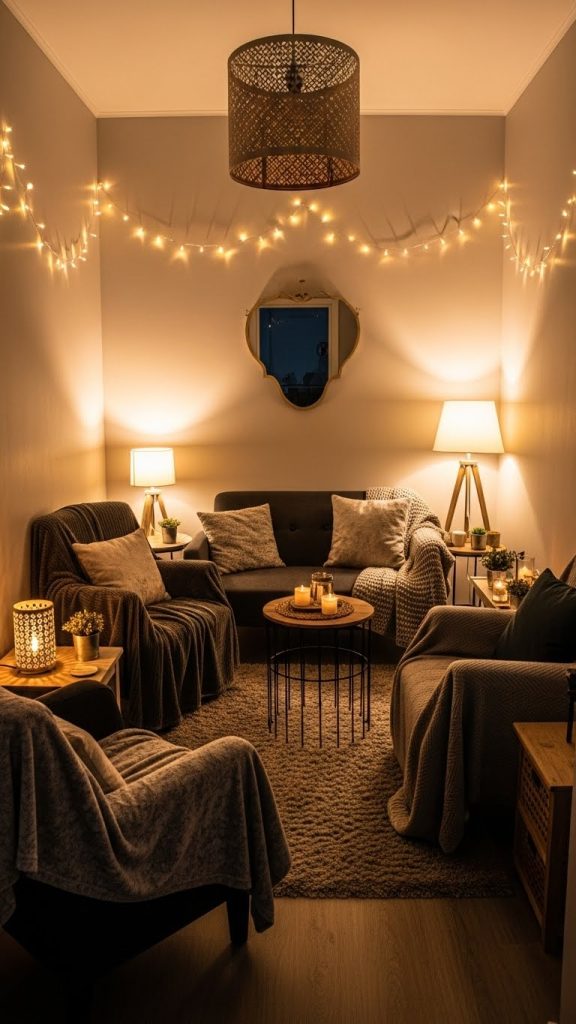
4. Cozy Bedding Layers to Enhance Comfort
A small bedroom can instantly feel more inviting when you layer the bed with soft fabrics, throws, cushions, and a warm comforter. This project requires materials like cotton sheets, knitted throws, textured pillows, a duvet insert, and a neutral duvet cover. Start by selecting colors that coordinate with your wall paint or overall room palette. Neutral bedding with small pops of warm color adds balance and depth. Layering begins with the fitted sheet, followed by a top sheet, and then the comforter. Add a folded blanket at the foot of the bed and a couple of pillows with different textures. This creates visual interest without crowding the space. You can choose fabrics like fleece, cotton, linen, or soft knit for a warm and inviting look. Bedding layers work well because they bring softness, warmth, and personalization. They make the bed the central focal point of the room, which is ideal for small spaces. This technique elevates the overall comfort level and gives the room a hotel like coziness. It also allows you to easily switch styles seasonally by simply changing pillows or throws. Thoughtfully layered bedding provides the cozy foundation every small room deserves.
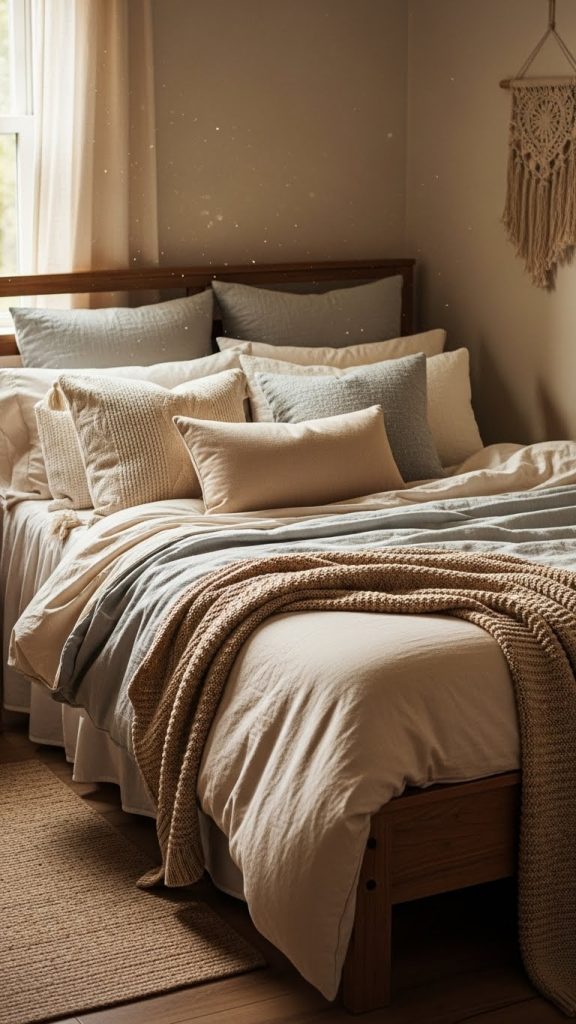
5. Mini Reading Nook with DIY Corner Seating
Transform an unused corner in your small room into a mini reading nook. This project requires materials like a small bench or seat cushion, wall mount shelves, a reading lamp, and a few decorative pillows. Begin by choosing a corner near natural light if possible. Measure the area and construct a small wooden bench or use an existing compact chair. Adding a cushion with soft fabric increases comfort. You can also mount a floating shelf above the nook to hold books and warm decor items. Place a small lamp with a warm bulb beside the seating area to enhance the atmosphere. A cozy nook becomes a special retreat within your room where you can read, reflect, or rest. It also adds functional seating without taking up much space. The intimacy of a small corner combined with soft textures and warm lighting creates a sanctuary like feeling. The reading nook naturally becomes one of the most comforting areas in a small room. This DIY makeover shows that you do not need a large space to create meaningful zones. With careful planning and thoughtful design, even the smallest corner can become one of the room’s most inviting features.

6. DIY Accent Wall with Wood Panels or Peel and Stick Designs
An accent wall adds character and depth to a small room without overwhelming it. You can use peel and stick wallpaper, wooden slats, or textured panels. Materials include wood strips, saw, adhesive tape, level, measuring tape, or peel and stick wallpaper rolls. Start by selecting one wall that will serve as the focal point. Usually, the wall behind the bed or opposite the entry door works best. If using peel and stick wallpaper, clean the wall thoroughly before applying. Smooth the wallpaper slowly from top to bottom to avoid bubbles. For wooden accents, cut wood strips to equal lengths, sand them, and attach them vertically or horizontally depending on your preference. Use a level to keep lines straight. This accent wall adds warmth and design interest without cluttering the room. Wood panels bring a natural, cozy feel, while wallpaper introduces subtle patterns. The goal is to elevate the room’s style without adding bulky furniture or too many accessories. Accent walls bring personality and depth, allowing the room to feel both spacious and cozy at the same time. It offers a gentle touch of creativity and transforms a plain room into a stylish and comfortable haven.

7. Under Bed Storage for Decluttered Small Spaces
Small rooms require smart storage solutions to maintain a cozy environment. Under bed storage is an effective DIY strategy that maximizes space while keeping clutter out of sight. Materials include rolling storage boxes, fabric bins, vacuum bags, or DIY wooden drawers. Begin by measuring the clearance under your bed to ensure your storage pieces fit comfortably. If you prefer a DIY approach, create wooden boxes with wheels, sand them, and apply a finish to match your furniture. Use these boxes for storing bedding, seasonal clothing, shoes, or accessories. Vacuum bags help compress bulky items and free up extra space. Keeping clutter hidden ensures that the room remains visually calm. A tidy small room always feels more spacious and comforting. Under bed storage reduces the need for additional furniture pieces such as large dressers or bulky cabinets. This allows more walking space and improves overall room flow. A well organized room contributes significantly to a cozy atmosphere. By integrating storage solutions discreetly, you create a cleaner and more relaxing environment. Under bed storage is simple, functional, and perfect for small room makeovers.
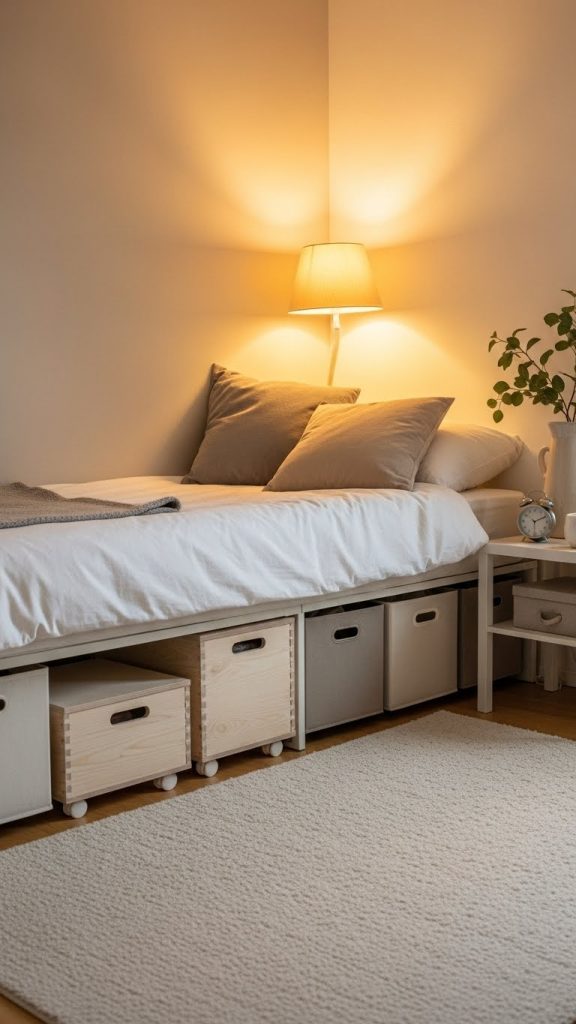
8. Soft Area Rugs to Add Warmth and Comfort
A soft area rug can dramatically change the feeling of a small room. It anchors the space, adds warmth, improves acoustics, and introduces texture. Materials include a plush rug, rug pad, measuring tape, and vacuum cleaner. Begin by determining the ideal rug size. For bedrooms, the rug should cover at least two thirds of the bed area. For small living spaces or multifunctional rooms, a medium sized rug under the central furniture piece works well. Choose neutral or warm toned colors to maintain the cozy theme. Place a rug pad underneath to prevent sliding and add cushioning. The softness of the rug creates a sense of comfort every time you step into the room. It visually separates zones, making even a small area feel organized and welcoming. Rugs help soften hardwood or tile floors and make the room feel warmer during colder seasons. They also reduce noise, which contributes to a peaceful atmosphere. A well chosen rug brings harmony, texture, and charm to a small room without occupying physical space. This DIY enhancement is budget friendly and has a strong visual impact, making it one of the most rewarding additions.

9. DIY Wall Art and Personal Decor Displays
Personal decor adds warmth and meaning to a small room. DIY wall art, framed prints, hand painted canvases, or memory boards help express your personality without cluttering surfaces. Materials include frames, cardstock, canvas, paint, command strips, and small tools like scissors or brushes. Begin by selecting a theme or color palette that matches your room. Create simple geometric patterns, abstract designs, quotes, or photo collages. Mount your artwork using command strips to avoid damaging walls. You can also create a mini gallery wall with two or three pieces arranged vertically to draw the eye upward. Personal decor makes the room feel uniquely yours. It adds emotional warmth and comfort without taking up physical space. Art pieces build character and bring harmony to the overall room design. This DIY project also gives you full creative freedom and allows you to save money by avoiding store bought decor. Handcrafted wall art enhances coziness by reflecting your style, memories, and values. A small room becomes more meaningful and inviting when decorated thoughtfully and intentionally.

10. Small Furniture Rearrangement for Better Flow
Furniture arrangement has a tremendous impact on how cozy and open a small room feels. This DIY makeover does not require new furniture. Instead, it uses strategic placement to maximize space and comfort. Start by measuring your room and identifying areas that feel cramped. Move large furniture away from pathways to create smoother movement. Place the bed or main seating piece against the widest wall. Avoid blocking natural light sources. If possible, angle small chairs or add compact side tables to create more open layouts. Declutter surfaces and remove unnecessary items to maintain simplicity. Proper furniture layout makes the room feel larger, calmer, and more balanced. It increases functionality and improves the overall flow. Rearranging also gives the room a fresh, rejuvenated feel without spending money. This technique works because small spaces benefit from intentional simplicity. When furniture is placed correctly, the room feels airy yet cozy. It becomes easier to relax, breathe, and enjoy the space. Rearrangement may seem minimal, but it can be one of the most transformative DIY tools for creating a cozy small room.
About Me

Chesung Subba
Author/Writer
Hello, I'm Chesung Subba, a passionate writer who loves sharing ideas, stories, and experiences to inspire, inform, and connect with readers through meaningful content.
Follow Me
Connect with me and be part of my social media community.
Leave a Reply